Proper vehicle maintenance extends beyond routine oil changes and tire checks. Many small, often neglected practices can significantly impact a car’s appearance and performance. Neglecting these details can lead to costly repairs or a diminished driving experience, while addressing them keeps your car reliable and presentable for years. That’s why we’re sharing these 10 overlooked car maintenance and care tips. This guide will help you protect your investment and enjoy every mile.
1. Clean the recesses and trim lines
Many car owners focus on washing the exterior but forget about the small crevices and trim lines where dirt accumulates. Using a soft cloth wrapped around a blunt tool like a worn screwdriver, paired with an all-purpose cleaner, can help you clean these areas without damaging the paint. Regularly cleaning these spots prevents grime buildup and keeps your car looking sharp.
- Tools needed: A soft, dry cloth and an all-purpose cleaner. You can also use a blunt tool like a worn screwdriver wrapped in a cloth to reach into tight spaces without scratching the paint.
- Technique: Gently insert the cloth-wrapped tool into the crevices and wipe away dirt and grime. For more stubborn stains, apply a small amount of cleaner to the cloth and wipe the area clean.
- Frequency: Clean these areas every time you wash your car to prevent grime buildup.
2. Wash windows thoroughly
When cleaning windows, pay attention to the top edges of partially rolled-down windows. This area often collects grime that can scratch the glass over time. A quick wipe with glass cleaner ensures clear visibility and prevents long-term damage.
- Glass cleaner: Use a dedicated glass cleaner and a microfiber cloth to wipe down windows. Avoid using household cleaners, as they can leave streaks.
- Frequency: Clean windows every time you wash your car, and consider using a rain-repellent coating for added visibility during wet conditions.
3. Inspect mud flaps and splash guards
Mud flaps protect your car’s undercarriage from debris, water, and road salt. Check them regularly for tears or damage, especially after driving through rough terrain or winter conditions. Replacing damaged mud flaps can prevent costly repairs to sensitive electrical components in the engine compartment.
4. Rinse your car’s undercarriage in winter
Winter road salt is notorious for causing rust, especially on bumpers and wheel wells. Even in warmer climates, occasional rain can mix with road grime to create corrosive conditions. Regularly rinsing your car’s undercarriage during messy weather months can prevent rust formation.
- Rinsing technique: Use a hose to rinse the undercarriage thoroughly, focusing on areas around the wheel wells and suspension components.
- Frequency: Rinse your car’s undercarriage during messy weather months or after driving on salted roads.
- Protection: Consider applying a rust-inhibiting coating to vulnerable areas for added protection.
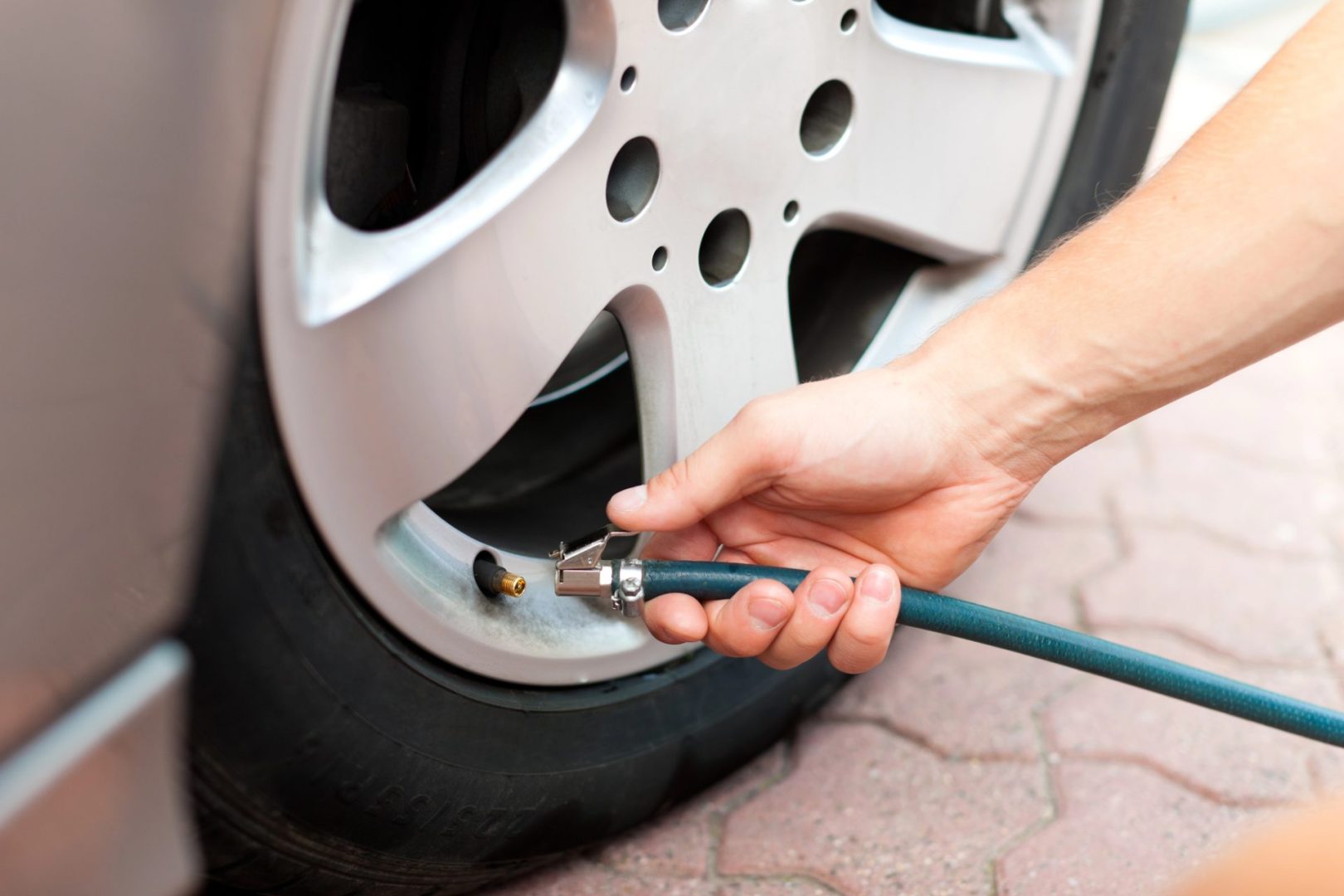
5. Check tire pressure regularly
Underinflated tires reduce fuel efficiency and compromise handling. Make it a habit to check tire pressure monthly, even if your car has built-in sensors.
- Technique: Check tire pressure monthly, ideally when the tires are cold (not driven for at least three hours). Compare the pressure to the recommended level listed on the tire information placard on the driver’s side door jamb.
- Adjustments: Inflate or deflate tires as needed to match the recommended pressure.
6. Change engine fluids periodically
While dashboard indicators may alert you to low fluid levels, manually checking fluids like engine oil, coolant, and brake fluid between service visits provides extra assurance. Performing this check while parked on a flat surface ensures accurate readings.
- Technique: Use a dipstick for oil and coolant checks. For brake and transmission fluids, refer to your car’s manual for the correct procedure.
- Frequency: Check fluids every time you fill up with gas or before long trips.
7. Use a battery tender for idle cars
If you own a second vehicle or don’t drive often, a battery tender can keep your battery charged without overloading it. Choose a “smart” tender that shuts off automatically when fully charged to avoid damage or fire hazards.
- Connection: Connect the tender to the battery terminals according to the manufacturer’s instructions.
- Frequency: Use the tender whenever your car will be idle for more than a week.
8. Replace worn wiper blades
Wiper blades wear out faster than most people realize, especially under sunny conditions. Inspect them for cracks or stiffness every six months—replacing them ensures clear visibility during unexpected rain showers.
- Replacement: Replace blades as soon as you notice any wear to ensure clear visibility during unexpected rain showers.
- Maintenance: Clean wiper blades regularly with a soft cloth and water to remove dirt and debris.
9. Apply ceramic coating for paint protection
Sunny climates can cause paint fading over time due to UV exposure. Ceramic coatings offer long-term protection against sun damage while enhancing your car’s shine.
- Application: Ceramic coatings are applied to the car’s paint surface using specialized tools and techniques. Companies like Zippy Cup Auto Detail offer tailored ceramic coatings designed for local weather conditions.
- Benefits: Ceramic coatings protect against UV rays, reduce scratches, and make cleaning easier by repelling dirt and water.
- Maintenance: Regular washing is still necessary, but the coating makes the process easier and more effective.
10. Don’t forget about interior detailing
Interior detailing isn’t just about aesthetics—it’s about preserving materials like leather and fabric from wear caused by heat and dirt accumulation. Regular vacuuming and using specialized cleaners can prevent cracking and discoloration of seats and dashboard surfaces.
- Tools needed: Vacuum cleaner, microfiber cloths, and specialized cleaners for leather and fabric.
- Technique: Vacuum all surfaces thoroughly, then use appropriate cleaners to wipe down seats, dashboard, and other interior components.
- Frequency: Clean the interior every time you wash the exterior to prevent dirt buildup.
FAQs
1. How often should I wash my car in San Diego?
Due to the sunny climate and occasional dust storms, washing your car every two weeks is recommended to prevent dirt buildup and paint damage.
2. What is the benefit of ceramic coating?
Ceramic coating protects your car’s paint from UV rays, reduces scratches, and makes cleaning easier by repelling dirt and water.
3. How do I know if my battery needs replacing?
If your car struggles to start or you notice corrosion around the battery terminals, it may be time for a replacement.
4. How can I remove sand from my car’s interior?
Shake mats outside, then vacuum with a brush attachment. Zippy Cup’s mobile team uses compressed air for stubborn sand.
5. What’s the best way to prevent rust?
Regularly rinse your car’s undercarriage during wet months or after driving on salted roads to minimize rust formation. Consider applying a rust-inhibiting coating for added protection.
Zippy Cup Auto Detail San Diego
596 N Mollison Ave #102, El Cajon, CA 92021
619-745-1536