Vinyl wraps have changed the way people think about car customization. Instead of paying for a full paint job, drivers now have the option to wrap part or all of their vehicles with high-quality vinyl. A vinyl wrap can make your car look brand new, advertise your business, or simply reflect your personal style.
Before you decide, it helps to know the real differences between partial and full vinyl wraps. Each choice offers different benefits depending on what you want for your car.
Let’s break it down in simple terms.
What is a vinyl wrap?
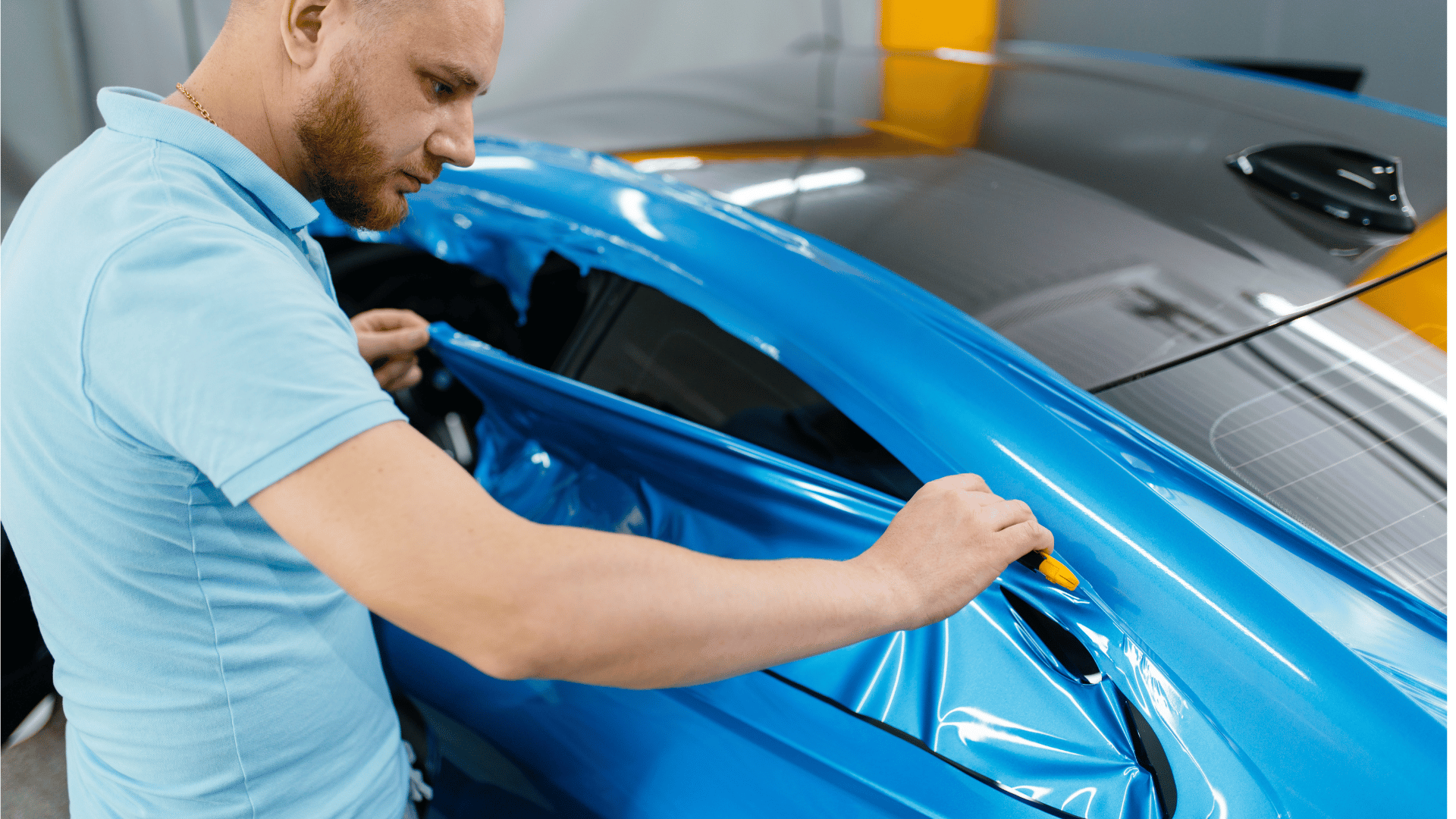
A vinyl wrap is a large adhesive film that covers a vehicle’s painted surfaces. You can pick from thousands of colors, textures, and even designs. Some wraps are matte, some are glossy, some have a metallic look, and others are printed with custom graphics.
Vinyl wraps act like a protective layer between your car’s paint and the outside world. Small scratches, bird droppings, UV rays, and dirt can damage your paint over time. A wrap shields your car from a lot of that damage.
What is a partial wrap?
A partial wrap only covers certain parts of the car. You might wrap the hood, the roof, the side doors, or just the rear of the vehicle. You can mix the wrap with the original paint color to create cool designs.
Partial wraps are popular for a few good reasons:
- Cost savings: Since you’re only wrapping part of the car, the cost is much lower compared to a full wrap.
- Custom designs: You can create two-tone looks. For example, a red car with a black roof gives a sporty look without changing everything.
- Advertising: Many businesses use partial wraps to put logos and messages on company cars.
What is a full wrap?
A full wrap covers every inch of the car’s painted surfaces. From the front bumper to the rear bumper, and everything in between, the vinyl creates a brand-new look. It’s almost like driving away in a totally different car — without the crazy costs of repainting.
Drivers who pick full wraps usually want:
- Total color change: Go from basic white to deep green, or from factory silver to flashy matte black.
- Better protection: The original paint is fully covered, helping prevent fading, scratches, and chips.
- Long-term value: If you ever sell your car later, the original paint underneath will still look great.
Pros and cons of partial vinyl wraps
Pros:
- Affordable: Partial wraps can cost about 50-70% less than a full wrap, depending on how much of the car you wrap.
- Quick turnaround: Installers can usually finish partial wraps in a day or two.
- Creative freedom: You can pick which parts of the car you want to highlight for a unique style.
Cons:
- Paint fading: Over time, exposed areas might fade faster than wrapped sections, leading to a mismatch.
- Limited protection: Only the wrapped parts are shielded from scratches and weather damage.
- Design limits: Some styles just don’t look right unless the whole vehicle is wrapped.
Pros and cons of full vinyl wraps
Pros:
- Complete coverage: Your entire vehicle’s paint is protected from UV rays, dirt, bird droppings, and minor chips.
- Uniform look: No visible lines where the vinyl stops and the original paint starts.
- Resale benefits: Protecting your original paint helps keep the value of your car higher over the years.
Cons:
- Higher price tag: Full wraps require more materials and labor, so they cost more.
- Longer install times: It can take three to five days, depending on the size and shape of your vehicle.
What to think about before picking a vehicle vinyl wrap
Before you decide between partial or full wrap, here are a few helpful tips:
Budget
Determine how much you are prepared to spend. If you’re looking to save money or only want to add small accents, a partial wrap can meet your goals without going over your budget.
Vehicle condition
If your car’s paint is scratched, faded, or damaged, a full wrap can hide those flaws better. A partial wrap might actually draw more attention to areas you didn’t cover.
Personal style
Some drivers want something bold and attention-grabbing — like a chrome blue full wrap. Others like a more laid-back touch, like a carbon fiber hood. Think about what matches your style.
Usage
If your car is used for business purposes, a full wrap can offer more space for advertising. On personal vehicles, sometimes a clean partial wrap looks just right without feeling too flashy.
Maintenance
Vinyl wraps don’t need a lot of work, but you still have to take care of them. Washing your car by hand with gentle soap keeps wraps looking their best. Avoid pressure washers and automatic car washes with rough brushes.
Caring for your vinyl wrap
Both partial and full wraps need some TLC to stay in top shape. Hand wash your car with a mild soap and soft sponge every 1–2 weeks, especially after a dusty or snowy day. Avoid high-pressure car washes, as they can lift edges. Park in a garage or shade to minimize sun exposure.
5 FAQs about vinyl wraps
1. How long does it take to wrap a car?
Partial wraps can be done in 1 to 2 days. Full wraps usually take 3 to 5 days depending on the size of the vehicle and the design complexity.
2. Can I choose any color for a vinyl wrap?
Yes. There are thousands of options, including solid colors, textures like carbon fiber, brushed metal, and even custom prints.
3. Will the wrap damage my car’s original paint?
No. If the paint is in good condition before the wrap, it will not be harmed. In fact, wraps help protect it.
4. Can I remove a vinyl wrap myself?
It’s possible, but it’s much safer to have a professional do it. Removing it incorrectly could lead to adhesive residue or even scratched paint.
5. Is a vinyl wrap waterproof?
Yes. Good-quality vehiclevinyl wraps are waterproof and protect your car from rain, snow, and moisture.
Zippy Cup Auto Detail San Diego
596 N Mollison Ave #102, El Cajon, CA 92021
619-745-1536