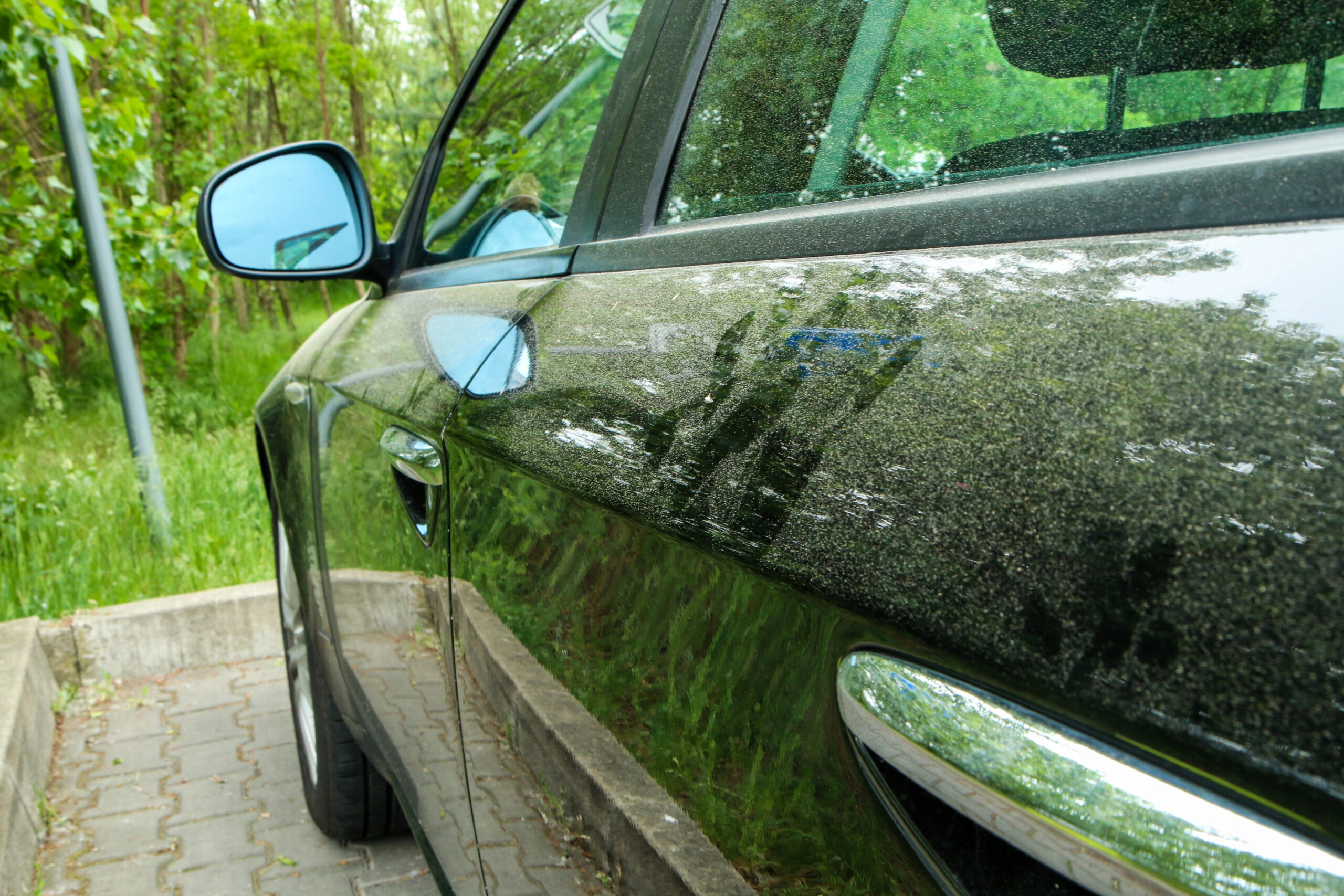
San Diego, with its beautiful beaches and sunny skies, is a dream for many. But for car owners, there’s a yearly challenge that can turn those golden rays into a yellow headache: pollen season. It’s not just about sneezing; pollen can cause real trouble for your car’s finish, inside and out. Understanding how pollen affects your vehicle and what you can do about it is important for keeping your ride looking its best and running smoothly.
The San Diego pollen scene: A Year-round story
Unlike other parts of the country that have clear-cut seasons, San Diego’s mild climate means pollen can be an issue almost any time of the year. While some areas get a break, we often see different types of pollen floating around through spring, summer, and fall.
- Spring (March to May): This is when tree pollen is usually at its highest. Trees like oak, olive, pine, ash, sycamore, walnut, and mulberry all contribute to the airborne yellow dust. If you park under these trees, you’ll notice a thick coating on your car after just a short time.
- Summer (June to August): As spring fades, grass pollen takes over. Bermuda grass, ryegrass, and Kentucky bluegrass are common culprits. These tiny grains can travel far and stick to everything.
- Late Summer and Fall (August to November): This period brings weed pollen into the mix. Ragweed, sagebrush, Russian thistle, and pigweed can cause issues for many, coating cars and triggering allergies.
Because of this constant cycle, protecting your car from pollen in San Diego isn’t a one-time fix; it’s a regular part of car care.
Why is pollen bad for your car?
Pollen may look harmless, but it does more than just make your car look dirty. Here are some reasons to keep up with cleaning and protective steps during pollen season:
- Paint damage: Pollen grains are tiny but have rough surfaces and are often acidic. When left on your car—especially when mixed with a little moisture—they can stick firmly, etch into the clear coat, cause stains, and even lead to long-term discoloration or faded paint.
- Clogged filters: Both your engine air filter and your interior cabin air filter can become clogged with pollen. If these get blocked, you may notice sluggish acceleration, lower fuel efficiency, or increased allergy symptoms inside the car. A clogged filter puts more stress on your car, especially during the months with higher pollen counts.
- Reduced visibility: Pollen on your windshield and windows reduces visibility, especially if it’s combined with morning dew or a light rain. Using windshield wipers on a dry, pollen-covered surface can smear the dust, making it even harder to see.
- Interior buildup: Pollen enters your car every time you open the door or window, especially after it has settled on clothing or shoes. Once inside, it works its way into fabrics, vents, and hard-to-reach cracks.
How to protect your car from pollen season?
Pollen season can be tough on your car, inside and out. Here are some general ways to protect your vehicle from the yellow menace:
For your car’s exterior (Paint & Finish)
- Wash your car regularly: This is the most important step. During peak pollen season, aim to wash your car at least once a week. Pollen, especially when mixed with moisture (like morning dew or rain), can become acidic and etch into your car’s clear coat.
- Pre-rinse: Always start by rinsing your car thoroughly with a hose or pressure washer to remove loose pollen before you apply soap or a wash mitt. This helps prevent scratching the paint with abrasive pollen particles.
- Use proper car soap: Use a pH-balanced car wash soap. Avoid household detergents or dish soap, as these can strip away protective wax layers.
- Wash from top down: Work from the roof downwards, rinsing your wash mitt often to avoid dragging pollen back onto clean areas.
- Dry thoroughly: After washing, dry your car with a clean, soft microfiber towel to prevent water spots and to keep new pollen from sticking to a wet surface.
- Apply a protective layer
-
- Wax: A good car wax creates a barrier between your paint and the pollen, making it harder for pollen to stick and easier to wash off. Apply a fresh coat before pollen season starts.
- Sealant or ceramic coating: For longer-lasting and more durable protection, consider a synthetic paint sealant or a ceramic coating. These create a very slick surface that repels water and makes pollen much easier to remove.
- Park smart
-
- Garage or covered parking: If you have access to a garage or a carport, use it. This is the best way to shield your car from falling pollen.
- Avoid parking under trees: Trees are major pollen producers. Parking under them means your car will get a heavier coating of pollen, and possibly tree sap, which is even harder to remove.
- Use a car cover: If you have to park outside, a breathable car cover can offer a good layer of protection against pollen settling on your vehicle.
For your car’s interior & air quality
- Clean your interior often: Pollen can easily get inside your car through open windows, vents, or on your clothes.
- Vacuum regularly: Vacuum your seats, floor mats, and carpets often to remove pollen and other allergens.
- Wipe surfaces: Use a damp microfiber cloth to wipe down your dashboard, console, and door panels.
- Clean vents: Use a detailing brush or compressed air to clean out the air vents where pollen can accumulate.
- Check and replace air filters:
-
- Cabin air filter: This filter cleans the air coming into your car’s cabin. During pollen season, it can get clogged quickly. A clogged filter reduces airflow and makes your car’s interior air quality worse.
- Engine air filter: This filter protects your engine from airborne particles, including pollen. A dirty engine air filter can reduce fuel efficiency and put strain on your engine. Check and clean or replace it during pollen season.
- Use your A/C wisely:
-
- Recirculation mode: When pollen counts are high, use your car’s air conditioning system in “recirculate” mode. This draws air from inside the cabin rather than pulling in outside, pollen-filled air.
- Keep windows closed: Keep windows and sunroofs closed, especially when driving in areas with high pollen.
FAQs
- How often should I wash my car during pollen season in San Diego?
Washing every 1 to 2 weeks is recommended, especially during high pollen months like April, May, and September. If your car is parked outside, you might want to rinse or wash even more frequently when you see pollen dust start to accumulate.
- Is there a best time of day to wash or clean my car?
Choose late afternoon or evening, when pollen counts are lower. Mornings can bring more pollen in the air, so washing after peak hours helps you keep the car cleaner for longer.
- Why is using a car cover helpful in San Diego?
A breathable car cover protects from more than just dust—it keeps pollen off your paint and windows, reducing the risk of staining, acid etching, and keeping your car cooler under the sun.
- What detailing services help the most during pollen season?
Exterior washes, paint decontamination (like clay bar treatments), waxing, and ceramic coatings all help repel pollen. Interior detailing with a focus on filters and air vents keeps breathing air cleaner.
- Can pollen really damage my engine?
Pollen is small enough to clog air filters, both for your engine and cabin. If these filters get blocked, your engine works harder, reducing efficiency, and you may notice weaker airflow from the AC. Regular filter changes stop these problems before they start.
Zippy Cup Auto Detail San Diego
596 N Mollison Ave #102, El Cajon, CA 92021
619-745-1536