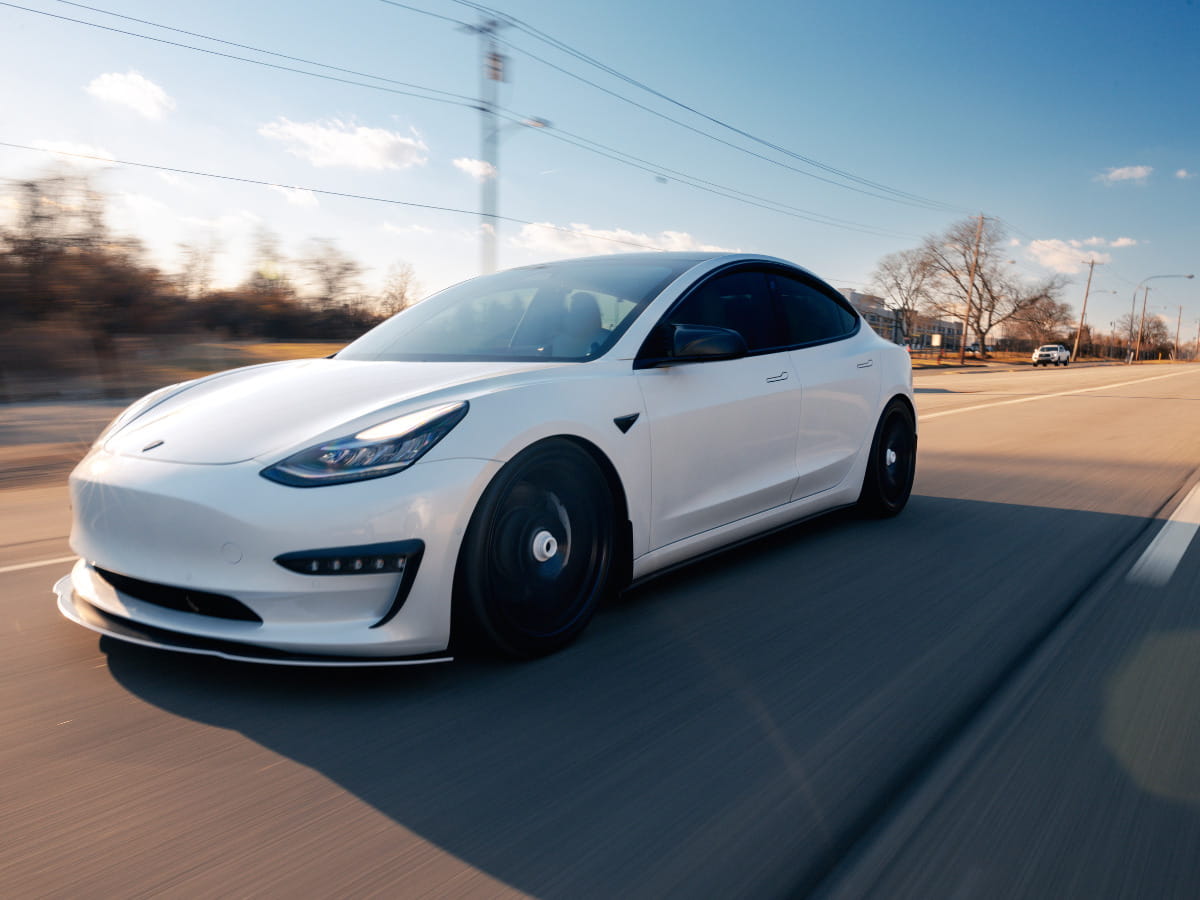
Electric vehicles are changing the way we think about driving, maintenance, and long-term ownership. But one thing has not changed: an EV’s exterior and interior still need protection from sunlight, road debris, dirt, environmental contaminants, and everyday wear.
In fact, protecting an EV is often less about choosing one product and more about choosing the right combination of protection for how you use the vehicle.
For most EV owners, the best protection packages combine three services:
- Paint Protection Film (PPF) for physical protection against rock chips, road debris, and minor abrasions
- Ceramic coating for UV exposure, environmental contaminants, water repellence, and easier maintenance,
- Window tint for UV protection, heat reduction, glare control, and interior comfort.
At Zippy Cup Auto Detail in El Cajon, these services can be tailored to the vehicle, driving habits, and owner’s priorities.
Why Do Electric Vehicles Need Paint Protection?
An EV does not need a special type of paint protection simply because it has an electric powertrain. Its exterior is still exposed to the same basic hazards as a gasoline-powered vehicle: road debris, insects, bird droppings, tree sap, dirt, UV radiation, and improper washing.
Tesla, for example, specifically recommends promptly removing contaminants such as bird droppings, tree resin, insects, tar, road salt, and industrial fallout because leaving these substances on the paint can contribute to damage. Tesla also recommends thoroughly rinsing grit before washing and using appropriate automotive washing products and soft microfiber materials.
The difference for many EV owners is that these vehicles are often newer, highly styled, and expensive to repair cosmetically. Protecting the original finish can therefore make sense from both an appearance and maintenance perspective.
The question is: which level of protection makes sense for your EV?
Best EV Protection Package: PPF + Ceramic Coating + Window Tint
For owners who want comprehensive protection, the strongest approach is to combine the three services rather than expecting one product to do everything.
Each serves a different purpose.
1. Paint Protection Film: The First Line of Defense
PPF is the most important part of an exterior protection package when your priority is preventing physical paint damage.
Paint protection film is a transparent thermoplastic urethane film designed to create a sacrificial layer over painted surfaces. Modern PPF can help protect against rock chips, road debris, scuffs, and minor scratches. Some films also feature self-healing topcoats that can reduce the appearance of certain light surface scratches.
Zippy Cup offers several PPF coverage options, including:
- Full Front Protection,
- Full Body Protection,
- Track Pack Protection.
The Full Front package covers high-impact areas such as the bumper, hood, fenders, headlights, fog lights, and mirrors. Track Pack extends protection to additional areas exposed to road debris and wear, while Full Body covers the vehicle’s painted surfaces.
Who Should Choose PPF?
PPF is particularly useful if you:
- Drive frequently on freeways,
- Regularly encounter gravel or road debris,
- Want to preserve factory paint,
- Own a new EV and want to protect it from the beginning,
- Drive a performance-oriented EV,
- Plan to keep the vehicle for many years,
- Want to minimize the appearance of chips and road rash.
For many daily-driven EVs, full-front PPF is the best balance between coverage and cost. Full-body PPF makes more sense for owners who want maximum exterior protection or have particularly high expectations for paint preservation.
2. Ceramic Coating: Protection and Easier Maintenance
Ceramic coating serves a different purpose.
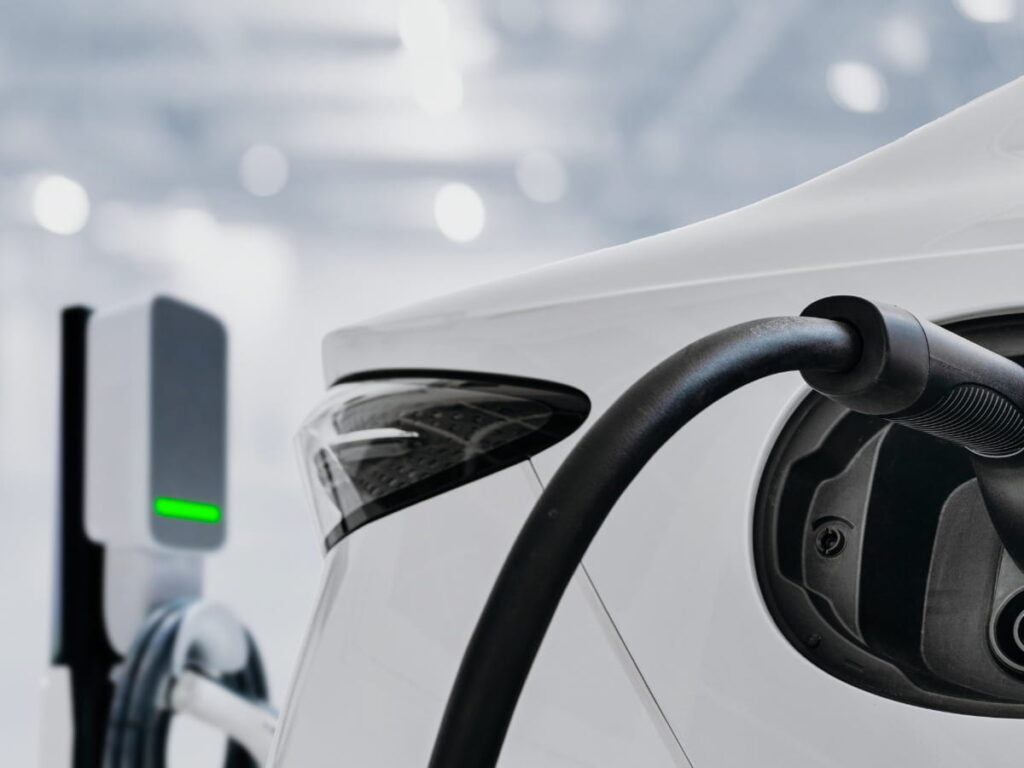
Rather than absorbing impacts like PPF, a ceramic coating chemically bonds to the vehicle’s surface and creates a durable, hydrophobic protective layer. This can help reduce the adhesion of dirt and contaminants, improve water behavior, enhance gloss, and make routine washing easier. Ceramic coatings can also provide protection against environmental exposure such as UV radiation and chemical contaminants.
Zippy Cup’s ceramic coating service is designed around exactly these benefits: protecting the finish from sun exposure and everyday contamination while making the vehicle easier to maintain.
What Ceramic Coating Does Not Do
This distinction matters.
Ceramic coating is not a replacement for PPF.
It does not make paint immune to rock chips, and it should not be marketed as a physical shield against significant impacts. PPF is the better solution for that type of protection.
Think of the two this way:
PPF = physical protection
Ceramic coating = surface protection and easier maintenance
They complement each other rather than compete.
3. Window Tint: Protect the Inside of Your EV
Exterior protection gets most of the attention, but EV owners should not overlook the cabin.
Window tint can help reduce heat entering the interior, reduce glare, block UV radiation, and improve overall driving comfort. It can also help protect interior materials from prolonged sun exposure. Zippy Cup offers front-window, full-car, windshield, and sun-strip tinting options.
This can be particularly useful in Southern California, where vehicles regularly experience strong sun exposure.
A quality window film is not simply about making the windows darker. Film selection should consider:
- Heat rejection,
- UV protection,
- Visible light transmission,
- Glare reduction,
- Privacy,
- Local legal requirements.
Zippy Cup works with customers to select film based on performance, appearance, and California tint regulations.
Which EV Protection Package Is Best for You?
There is no single “best” package for every electric vehicle. The right choice depends on what you are trying to protect and how you drive.
Best for a New EV: Full Front PPF + Ceramic Coating + Window Tint
If you just purchased a new Tesla, Rivian, Lucid, Ford Mustang Mach-E, Hyundai IONIQ, Kia EV, or another EV, protecting it before significant wear occurs is often the most logical approach.
A strong new-EV package would include:
Full Front PPF
Protect the areas most exposed to road debris and rock chips.
Ceramic Coating
Add hydrophobic protection to the remaining painted surfaces and make routine maintenance easier.
Window Tint
Improve cabin comfort, reduce glare, and help limit UV exposure.
Ceramic coating can also be applied over compatible PPF, creating a layered approach in which the film provides physical protection while the coating adds hydrophobic and surface-protection properties.
Best for a Daily-Driven EV: Full Front PPF + Ceramic Coating
If you drive your EV every day but do not need maximum possible coverage, this is often the most practical exterior combination.
The PPF protects the highest-risk areas while the ceramic coating helps make the rest of the vehicle easier to clean and maintain.
This is especially useful for drivers who want protection without covering every painted panel in film.
Best for Maximum Protection: Full-Body PPF + Ceramic Coating
If your priority is keeping the exterior as close to its original condition as possible, full-body PPF provides the broadest physical protection.
Adding ceramic coating creates a second layer of surface protection and makes the film and remaining surfaces easier to maintain.
This is the premium option for owners who are particularly concerned about paint preservation.
Best Budget-Conscious Option: Ceramic Coating + Targeted PPF
You do not necessarily have to choose between “protect everything” and “protect nothing.”
A more cost-conscious strategy is to apply PPF only to the highest-impact areas and use ceramic coating across the remaining exterior.
This gives you physical protection where it matters most while still making the rest of the vehicle easier to maintain.
Should You Ceramic Coat an EV Without PPF?
Ceramic coating can still be worthwhile if PPF is outside your budget or if your driving environment does not justify extensive film coverage.
It can help reduce the attachment of dirt and contaminants, provide hydrophobic behavior, improve gloss, and make regular washing easier.
However, if your primary concern is rock chips, PPF should take priority.
That distinction can save EV owners from spending money on the wrong type of protection.
Can You Put Ceramic Coating Over PPF?
In many systems, yes. Ceramic coatings can be formulated for use over compatible PPF, but the specific coating and film manufacturer’s instructions should always be followed. XPEL, for example, states that its FUSION PLUS ceramic coating bonds to automotive paint and XPEL PPF.
This combination is popular because the two technologies solve different problems.
The PPF provides the physical barrier.
The ceramic coating provides hydrophobic and surface-protection benefits.
Together, they create a more comprehensive exterior protection system than either service alone.
Do EVs Require Special Detailing?
EVs do not require completely different exterior detailing methods simply because they are electric. However, professional detailers should understand the vehicle’s specific design, sensors, cameras, charging port, trim materials, and manufacturer’s care recommendations.
Tesla’s cleaning guidance, for example, recommends keeping cameras free of dirt and obstructions, using appropriate washing techniques, avoiding harsh or highly alkaline chemicals, and keeping pressure washers at least 30 cm from the surface. Tesla also warns against directing high-pressure water toward the charging port while the vehicle is charging.
The important takeaway is simple: EV detailing is still about careful surface care, not aggressive cleaning.
Protecting Your EV Starts Before the First Wash
Even the best protection package cannot eliminate the need for proper maintenance.
PPF and ceramic coating work best when the vehicle is washed correctly, and contaminants are removed before they remain on the surface for extended periods.
A good maintenance routine includes:
- Rinse away loose dirt and grit before washing.
- Use automotive-safe shampoo and clean microfiber materials.
- Avoid abrasive brushes and aggressive washing techniques.
- Remove bird droppings, insects, tree sap, and other contaminants promptly.
- Avoid washing in direct, intense sunlight when possible.
- Follow the specific aftercare instructions for your PPF and ceramic coating.
What Is the Best Protection Package for an Electric Vehicle?
For most EV owners, the answer depends on priorities:
| Your priority | Recommended protection |
|---|---|
| Protect against rock chips | Full Front PPF |
| Maximum paint protection | Full-Body PPF |
| Easier washing and maintenance | Ceramic Coating |
| Protect cabin from sun and heat | Window Tint |
| New EV / long-term ownership | PPF + Ceramic Coating |
| Comprehensive protection | PPF + Ceramic Coating + Window Tint |
| Strong protection on a budget | Targeted PPF + Ceramic Coating |
The key is matching each protection technology to the type of damage it is designed to address.
Protect Your EV with a Package Built Around How You Drive
Electric vehicles may be quieter, cleaner, and technologically different from traditional cars, but their finishes still face everyday environmental exposure.
The right protection package can make a meaningful difference in how easily your EV stays clean, how well its exterior holds up, and how comfortable the cabin remains in Southern California’s strong sun.
At Zippy Cup Auto Detail in El Cajon, protection packages can be tailored around your vehicle, driving habits, and priorities. Whether you need targeted PPF, full-body protection, ceramic coating, professional window tint, or a combination of all three, the goal should be the same: protect the areas that need protection most without paying for services you do not need.
If you are unsure which combination makes sense for your EV, a professional vehicle inspection is the best place to start. The condition of the paint, your daily driving environment, how long you plan to keep the vehicle, and your expectations for appearance should all influence the final package.