
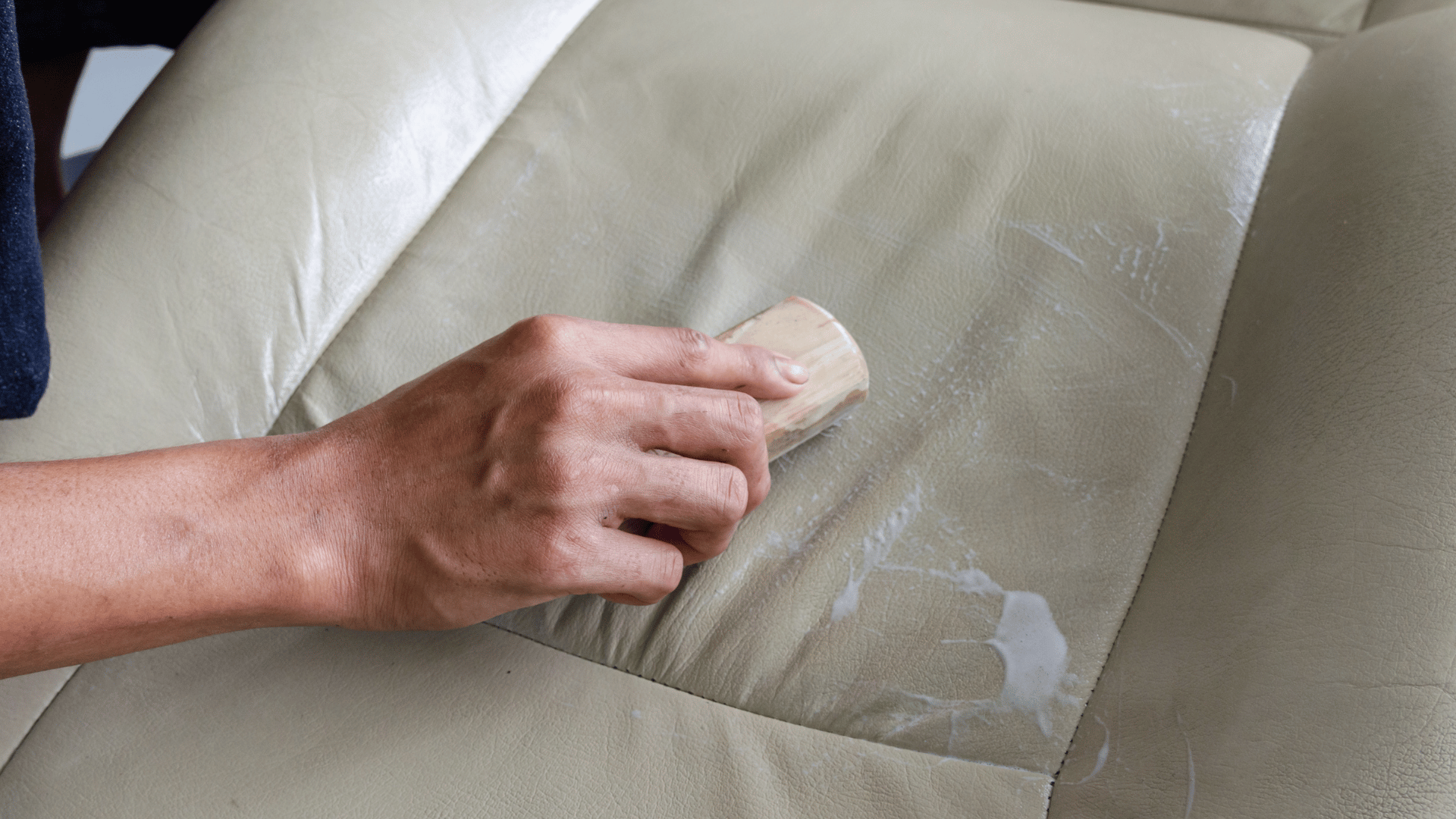
Leather seats offer a classic, upscale touch to any vehicle. But to keep them looking good and feeling smooth, regular care is needed. In places like San Diego, where the sun shines almost year-round, leather interiors can wear out faster if they’re not properly maintained. UV rays, dirt, sweat, and even your morning coffee spill can all take a toll on those seats. This post covers everything you need to know about keeping leather seats in top shape — from cleaning to conditioning and smart habits for daily use.
Why leather needs regular attention
Leather isn’t like regular fabric. It doesn’t absorb and release moisture the same way. It can dry out, crack, and fade if neglected. The combination of heat and sun in San Diego speeds up this damage. And leather seats show age quickly without the right care.
Leather is also more porous than many realize. Oils from your skin, lotions, sunscreen, and even pollution in the air can soak in and cause long-term stains or damage. Once those oils sink deep, they’re tough to remove.
Signs your leather needs help
- Cracking: This shows the leather has lost moisture. If it’s still soft, you may be able to reverse some of the damage.
- Fading color: This means sun exposure is wearing down the surface. Use a conditioner with UV protection.
- Sticky or slick feel: This might mean buildup from sweat, skin oils, or poor-quality conditioners.
Step-by-step guide to cleaning leather seats
Step 1: Vacuum first
Before applying any cleaner, start by vacuuming the seats. Use a soft brush attachment. Get into the creases where crumbs and dust hide. If you skip this, rubbing in a cleaner might push dirt deeper into the leather.
Step 2: Choose a pH-balanced leather cleaner
Avoid using all-purpose cleaners or household soaps. These can strip the natural oils from leather, leaving it stiff or sticky. Look for a cleaner that’s made specifically for leather car interiors. The best ones are pH-balanced and don’t leave behind a greasy film.
Step 3: Use a microfiber cloth or soft brush
Apply the cleaner to a soft cloth or brush — not directly onto the seat. Gently work it into the leather in small circles. Don’t scrub aggressively, even if the dirt seems stuck. Instead, reapply cleaner and let it sit for a minute, then gently wipe again.
Step 4: Wipe with a dry cloth
After cleaning, take a dry microfiber cloth and wipe off any leftover cleaner or loosened dirt. The seat should feel slightly damp but not wet. Open the car doors to let the interior dry naturally.
Conditioning your leather seats
Cleaning gets rid of dirt, but conditioning is what keeps leather soft, supple, and protected. Conditioning restores moisture to the leather, which can dry out from heat, sun exposure, or frequent use. Here’s how to do it right:
Choose a non-greasy conditioner
Not all conditioners are the same. Look for a product that is specifically made for automotive leather — not furniture or shoes. Good conditioners absorb into the leather without leaving a slick or greasy surface. Greasy products may give a temporary shine, but they can attract dust and grime quickly. They also transfer to clothes, especially on hot days when you’re wearing shorts or light-colored clothing. A well-made leather conditioner will leave the surface clean, dry, and smooth to the touch.
Apply conditioner by hand or with a cloth
Always start with a clean, dry cloth or a soft sponge. Apply a small amount of conditioner to the cloth, not directly onto the leather. This gives you more control and prevents over-applying in one spot.
Rub the conditioner gently onto the seat using slow, circular motions. Don’t rush — take your time and work it in evenly. Focus on the areas that get the most wear and tear: the driver’s seat, side bolsters, seat bottoms, and any high-contact spots. These areas dry out faster and are more likely to crack if left untreated.
Let it sit and soak
After applying the conditioner, let it sit undisturbed for 10 to 15 minutes. This gives the leather time to absorb the product deep into its surface. During this time, the leather is rehydrating and softening from the inside out.
Don’t sit on the seats or expose them to direct sunlight during this time — give them a chance to soak up the moisture without interruption.
Buff off the excess
Once the waiting time is up, use a clean microfiber cloth to buff the leather gently. You’re not trying to scrub here — just lightly wipe away any conditioner that didn’t soak in. The surface should feel smooth and soft, not sticky or slick. If it feels greasy, you may have used too much conditioner, and you’ll need to keep buffing until the excess is gone.
How often should you clean & condition?
In San Diego’s dry climate, conditioning every 2-3 months is a good routine. Clean your seats once a month if the car is used daily. If your leather still feels soft and doesn’t show signs of dryness, you might be able to space out your conditioning schedule a bit more.
FAQs
1. How do I know if my leather seats are real leather or synthetic?
Check your car’s manual or look up your vehicle’s trim online. Real leather usually has a textured, uneven grain and a natural smell. Synthetic leather tends to feel more like plastic and has a uniform look.
2. Can I use household cleaners like dish soap on leather seats?
It’s not recommended. These can dry out the leather or leave behind a film that makes the surface sticky. Stick with products made for leather interiors.
3. What should I do if my leather seats have a bad odor?
Start with a full vacuum and wipe down. Use a leather-safe cleaner. If the smell remains, the issue might be in the padding under the seat. Professional detailing may be needed.
4. How long does it take for a conditioner to work?
Let the conditioner sit on the leather for about 10-15 minutes before wiping off the excess. You’ll notice improved softness after one treatment, but more brittle seats might need a few applications over a month.
5. Do leather seats need more care than cloth seats?
Yes. Leather requires regular cleaning and conditioning to stay flexible and attractive. Cloth seats usually need vacuuming and the occasional deep clean, but they don’t crack or dry out like leather can.
Zippy Cup Auto Detail San Diego
596 N Mollison Ave #102, El Cajon, CA 92021
619-745-1536