Your car’s paint tells a story. Every parking lot trip, highway drive, and car wash leaves its mark. Over time, these small incidents add up. What was once a mirror-like finish becomes dull and covered with scratches. The good news? Paint correction can bring back that showroom shine you thought was gone forever.
Paint correction isn’t just a fancy car wash. This process removes imperfections from your vehicle’s paint surface through careful sanding and polishing. Think of it as erasing years of wear and tear to reveal the pristine paint underneath. For car owners in San Jose and the surrounding Bay Area, where vehicles face unique challenges from coastal air and heavy traffic, this service makes a real difference.
What exactly is paint correction?
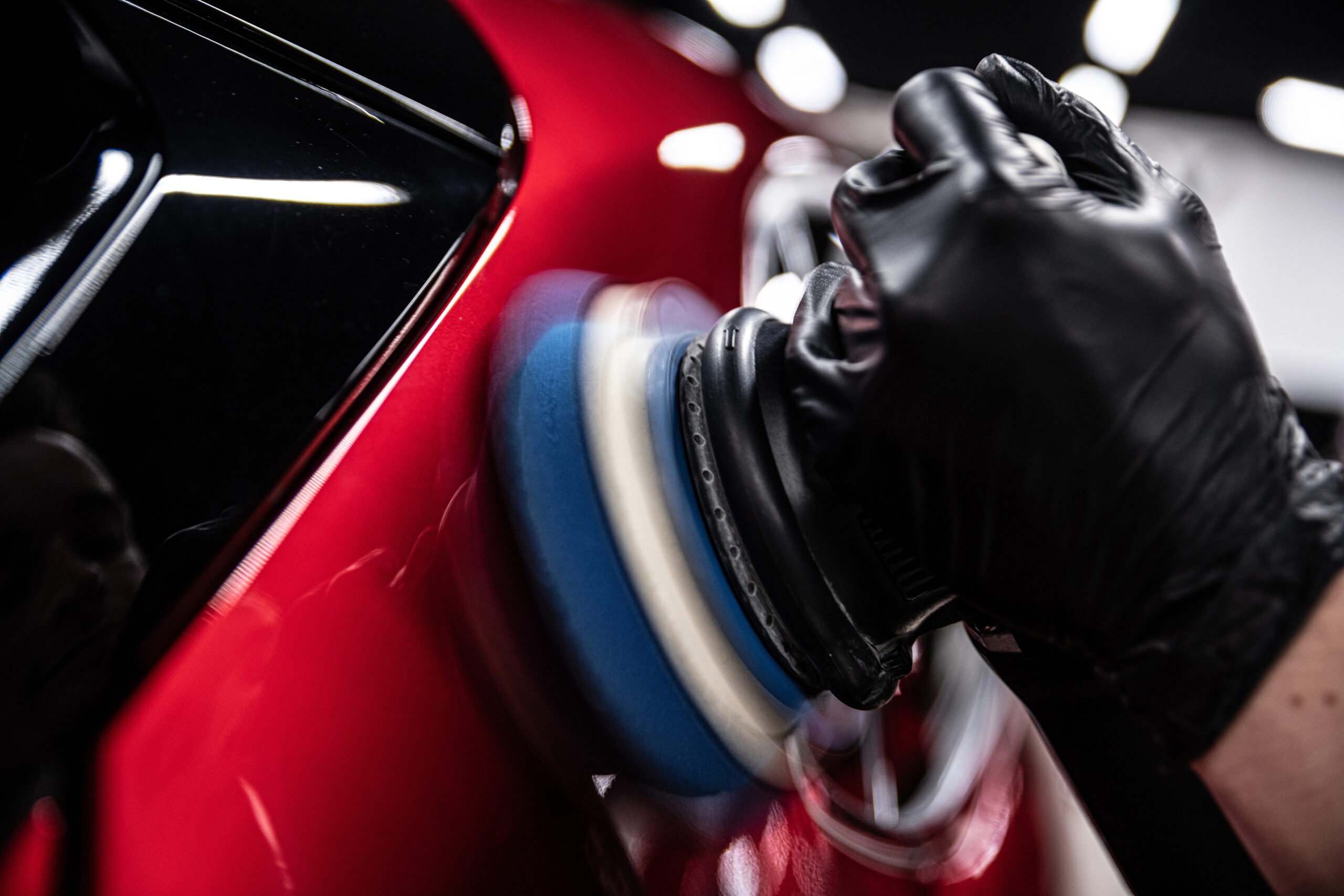
Paint correction is a multi-step process that removes defects from your car’s clear coat and paint. These defects include swirl marks, scratches, water spots, oxidation, and holograms left by improper washing or polishing. A trained technician uses specialized machines, polishing compounds, and pads to level out the paint surface.
The process works by removing microscopic layers of clear coat. Your car’s paint has multiple layers: primer, base coat (the color), and clear coat (protection). Most minor imperfections only affect the clear coat. By carefully removing tiny amounts of this top layer, technicians can make scratches and swirls disappear.
Why your vehicle needs paint correction
You might think your car just needs a good wash and wax. But if you look closely at your paint in direct sunlight, you’ll probably see swirl marks, fine scratches, and dull spots. These issues can’t be fixed with regular cleaning products.
Swirl marks and fine scratches
Swirl marks are those circular patterns you see when light hits your car at certain angles. They come from improper washing, drying with rough towels, or using dirty wash mitts. Those automatic car washes with spinning brushes create dozens of new swirl marks with each visit that dull your paint’s shine. Even well-meaning hand washing can cause damage if you’re using the wrong materials or techniques.
Water spots and mineral deposits
Water spots are a common problem for vehicles across the country. Hard water contains minerals that etch into paint if left too long. Regular washing doesn’t remove these etched spots – only paint correction can. These spots appear as white or cloudy marks that won’t wipe away no matter how much you clean. They’re particularly troublesome after rain or sprinkler overspray.
Oxidation and fading
Oxidation affects cars everywhere, especially those parked outside. Sun exposure, environmental pollutants, and weather conditions break down clear coat over time. This creates a chalky, faded appearance that makes your paint look tired and old. Paint correction removes the damaged layer and brings back the original color depth. You’ll notice oxidation most on horizontal surfaces like hoods, roofs, and trunks where sun exposure is strongest.
Rock chips and road debris damage
Rock chips and scratches happen to every driver. Highways and roads everywhere have vehicles kicking up debris that damages paint. Data from auto insurance claims shows that paint chips are among the most common minor damages reported. Left untreated, these chips can rust and spread. Paint correction addresses the scratches around chips and prepares the area for touch-up work. The process can blend minor chips and make them far less noticeable.
The paint correction process step by step
Paint correction isn’t a single step. Professional detailers follow a systematic approach that takes several hours or even days for severe cases.
- Washing and decontamination: The car gets thoroughly washed to remove dirt and debris. Then the technician uses a clay bar to remove embedded contaminants like tar, tree sap, and industrial fallout. This creates a smooth surface for correction work.
- Paint inspection: Using special lighting, the technician examines every panel to identify all imperfections. They measure the paint thickness with a gauge. This measurement is important because you can only remove so much clear coat safely.
- Compounding: For heavy defects, the process starts with cutting compounds and a rotary or dual-action polisher. This aggressive step removes deeper scratches and severe oxidation. The technician works section by section, carefully monitoring results.
- Polishing: After compounding, finer polishes remove the marks left by the cutting compounds. This step brings out gloss and clarity. Multiple polishing stages might be needed depending on the paint’s condition.
- Finishing: The final polishing step uses ultra-fine products to remove any remaining haze. This creates maximum gloss and reflectivity.
- Protection: After correction, fresh paint needs protection. Most detailers apply ceramic coating, paint sealant, or high-quality wax. This protects your newly corrected paint from future damage.
Benefits beyond appearance
Your car’s appearance is not the only benefit of paint correction. The benefits extend to protection and value.
- Better resale value: Cars with excellent paint condition sell for more. Buyers equate good paint with good overall care.
- Longer paint life: Removing oxidation and applying protection stops further degradation. A corrected and protected vehicle can maintain its finish for years longer than an untreated one. This delays or eliminates the need for expensive repainting.
- Easier maintenance: Smooth, protected paint is easier to clean. Dirt and grime don’t stick as readily to sealed surfaces. Car washes become quicker and less likely to cause new damage.
- Personal satisfaction: There’s something special about driving a car that looks new. The reflection quality and color depth you see after paint correction reminds you why you bought the vehicle. For many owners, this satisfaction is worth the investment.
Frequently Asked Questions
Q: Will paint correction remove all scratches from my car?
A: Paint correction can remove scratches that haven’t penetrated through the clear coat. If you can catch your fingernail in a scratch, it’s likely too deep for correction alone. Deep scratches need touch-up paint or repainting. Most surface scratches, swirls, and minor clear coat damage can be successfully removed through proper correction techniques.
Q: How often should I get paint correction done?
A: Most vehicles only need paint correction once every few years if properly maintained. After correction, protect your paint with ceramic coating or sealant and use proper washing methods. Well-maintained vehicles might go 3-5 years between corrections. Cars exposed to harsh conditions or poor maintenance might need correction every 1-2 years.
Q: Can I do paint correction myself at home?
A: While possible, paint correction requires skill, proper equipment, and experience. Improper technique can permanently damage your paint by removing too much clear coat or creating burn marks. Home polishing kits can help with very minor imperfections, but significant correction is best left to professionals who have the training and tools to do it safely.
Q: Is paint correction the same as buffing?
A: Not exactly. Buffing typically refers to a single-step process that might use one product to improve shine. Paint correction is a comprehensive, multi-step process that systematically removes defects through different grades of compounds and polishes. True paint correction requires measuring paint thickness, proper technique, and multiple refinement steps.
Q: Will paint correction work on matte or satin finishes?
A: Standard paint correction techniques don’t work on matte or satin finishes because polishing creates gloss. These special finishes require different maintenance approaches. Some defects can be addressed, but the process differs completely from traditional paint correction. Always consult a detailer experienced with matte finishes before attempting any correction work.
Zippy Cup Auto Detail San Diego
596 N Mollison Ave #102, El Cajon, CA 92021
619-745-1536