
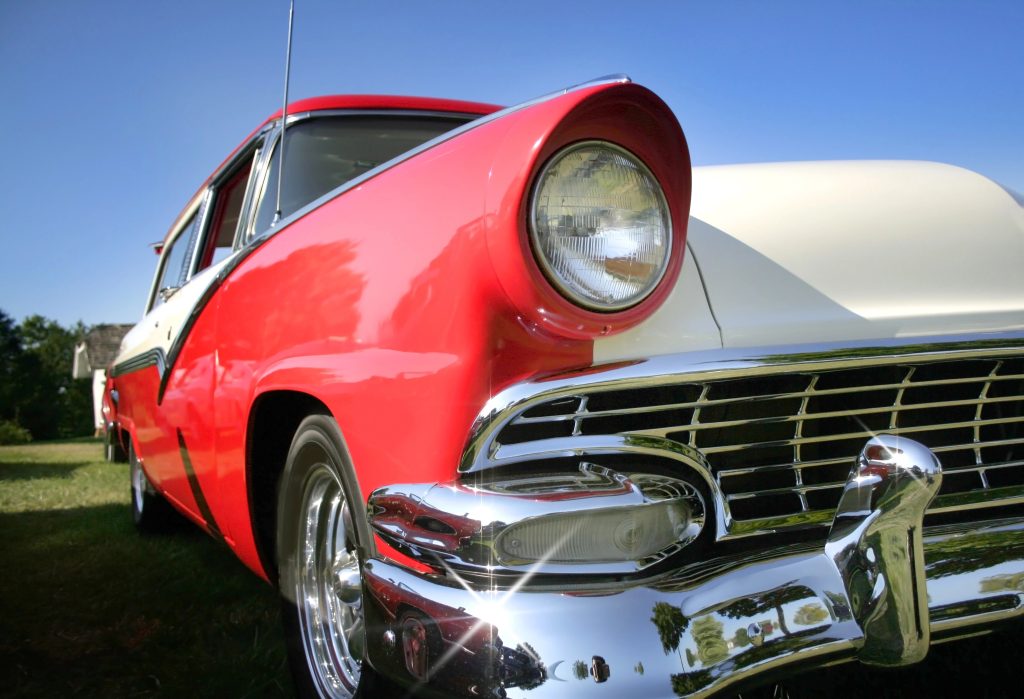
San Diego’s beautiful weather comes with a hidden cost for car owners. The same sunshine that draws millions of visitors to America’s Finest City can slowly destroy your vehicle’s paint job. Understanding how sun exposure damages your car’s paint can save you thousands of dollars in repairs and keep your vehicle looking great for years to come.
Why San Diego’s sun is particularly harsh on cars
San Diego receives sunny weather most days of the year, making it one of the sunniest cities in the United States. The city experiences very high UV levels, particularly during summer months, which means your car gets bombarded with intense ultraviolet radiation almost every day.
The combination of San Diego’s coastal location and Mediterranean climate creates perfect conditions for paint damage. The city’s southern location means the sun’s rays hit at a more direct angle than in northern cities. This geographical positioning, combined with the region’s low humidity and minimal cloud cover, means your car gets hit with concentrated UV radiation for extended periods.
This high index calls for extra precautions, like using sunscreen, wearing protective clothing, and avoiding prolonged sun exposure during midday hours, and the same principle applies to your vehicle. Just like your skin needs protection from the sun, your car’s paint needs similar care.
How San Diego sun exposure damages your car’s paint
UV radiation breaks down paint molecules
Ultraviolet radiation works like a slow-motion paint stripper on your car’s finish. When UV rays penetrate the clear coat, they start a chemical reaction called oxidation that breaks down the molecular bonds in the paint, causing the protective layer to become thin and brittle.
San Diego’s intense sunshine accelerates this molecular breakdown faster than in most other climates. The consistent exposure means there’s no recovery time for your paint – it’s under constant attack from damaging UV rays that literally destroy the polymer chains giving your paint its strength and flexibility.
Heat creates thermal cycling damage
San Diego’s intense heat causes your car’s paint to expand during the day and contract at night. This constant expansion and contraction, called thermal cycling, creates microscopic cracks in the clear coat that allow UV rays to penetrate deeper into the paint system.
Dark-colored vehicles suffer the most from thermal damage because they absorb more heat than lighter colors. Black cars parked in the San Diego sun can reach surface temperatures that literally cook the paint, causing permanent damage that can’t be reversed with polishing or waxing.
Photodegradation attacks color pigments
San Diego’s intense UV radiation directly attacks the color pigments in your car’s paint through a process called photodegradation. Red paint contains organic pigments that are particularly vulnerable to UV damage, causing vibrant red colors to fade to pink or even white in severe cases.
Even metallic and pearl finishes aren’t safe from photodegradation. The metal flakes and pearl particles that give these finishes their shimmer can become oxidized by UV exposure, losing their reflective properties and making the paint look flat and lifeless.
Salt air accelerates UV damage
San Diego’s coastal location creates a unique problem where salt particles in the marine air settle on your car’s surface. These salt crystals act like tiny magnifying glasses, concentrating UV radiation and creating hot spots on your paint that accelerate the breakdown process.
The salt air effect is particularly noticeable on vehicles regularly parked near the beach. These cars often show more severe fading and clear coat failure compared to similar vehicles parked inland, even when exposed to the same amount of direct sunlight.
Reflected UV radiation creates double damage
In San Diego’s urban environment, your car faces UV radiation from above and gets attacked from below as well. Concrete parking lots, asphalt roads, and building surfaces reflect UV rays back up at your vehicle, creating a double-dose effect that damages lower panels like doors and bumpers.
Glass buildings downtown create especially harsh conditions by reflecting concentrated sunlight onto parked vehicles. This focused UV radiation can cause rapid paint failure, sometimes creating visible damage in just weeks of regular exposure to these reflected rays.
Clear coat oxidation and chalking
One of the most visible signs of San Diego sun damage is clear coat oxidation, which appears as a chalky, powdery residue on your car’s surface. This happens when UV radiation breaks down the clear coat so severely that paint particles literally fall off the vehicle.
Once clear coat oxidation begins, it spreads rapidly across the entire panel and becomes even more susceptible to UV penetration. In San Diego’s intense sun, clear coat oxidation can progress from minor haziness to complete failure in just months of continuous exposure.
Color shift and uneven fading
San Diego sun exposure causes color shift, where UV radiation breaks down certain color pigments while leaving others intact, actually changing your paint to a completely different hue. Your car’s roof might fade to a completely different color than the doors, creating an unsightly two-tone appearance.
This uneven fading is particularly common on vehicles with complex curves and body lines, where areas facing directly toward the sun fade faster than angled surfaces. The problem is compounded by San Diego’s consistent sun angle throughout the year, hitting the same areas of your car day after day.
Paint delamination and peeling
In severe cases of San Diego sun exposure, UV radiation and thermal cycling completely destroy the adhesion between paint layers, causing them to separate and peel off the vehicle like old wallpaper. This delamination typically starts at the edges of panels or around trim pieces where the paint is already stressed.
Paint delamination is particularly common on horizontal surfaces like hoods and roofs that receive the most direct sun exposure. These areas heat up to extreme temperatures during San Diego’s long sunny days, literally cooking the paint until it loses all adhesion and begins peeling away in sheets.
Surface contamination bonding
San Diego’s combination of intense UV radiation and environmental pollutants creates a unique type of paint damage where dust, pollen, and exhaust particles get “baked in” by the intense sunshine. This contamination bonding makes your paint feel rough and look dull, even immediately after washing.
The bonding process is accelerated by San Diego’s marine layer, which provides just enough moisture to help contaminants stick to the paint surface before the sun heats and essentially welds them to your clear coat. Once this happens, simple washing won’t remove the particles, requiring professional treatment to restore the paint surface.
Frequently Asked Questions
Q: How does San Diego’s sun damage paint differently than other cities?
A: San Diego’s combination of intense UV radiation, consistent sunny weather, salt air, and urban heat reflection creates multiple ways for sun damage to occur simultaneously. The marine layer adds moisture that helps contaminants bond to paint, while the consistent sun angle causes predictable fading patterns that are more severe than in northern climates.
Q: What specific types of paint damage should San Diego car owners watch for?
A: Look for clear coat oxidation, color shifting where panels fade to different hues, microscopic cracking that appears as fine lines, thermal cycling damage on horizontal surfaces, and contamination bonding that makes paint feel rough even after washing.
Q: Can a parking garage protect my car from all types of sun damage?
A: Covered parking helps significantly, but many parking structures have open sides that allow UV rays and reflected radiation to reach your vehicle during certain times of the day. Only fully enclosed garages provide complete protection from all forms of sun damage.
Q: How does salt air make UV damage worse for San Diego cars?
A: Salt particles in coastal air act like tiny magnifying glasses, concentrating UV radiation and creating hot spots on your paint. When combined with moisture, salt creates a corrosive environment that weakens the clear coat and makes it more susceptible to UV penetration and thermal damage.
Q: What’s the difference between fading and color shift in San Diego sun damage?
A: Fading is when paint loses intensity and becomes lighter, while color shift is when UV radiation breaks down certain pigments more than others, actually changing the paint to a different color. Color shift is more severe because it can’t be corrected with polishing – the paint chemistry has been permanently altered.
Zippy Cup Auto Detail San Diego
596 N Mollison Ave #102, El Cajon, CA 92021
619-745-1536