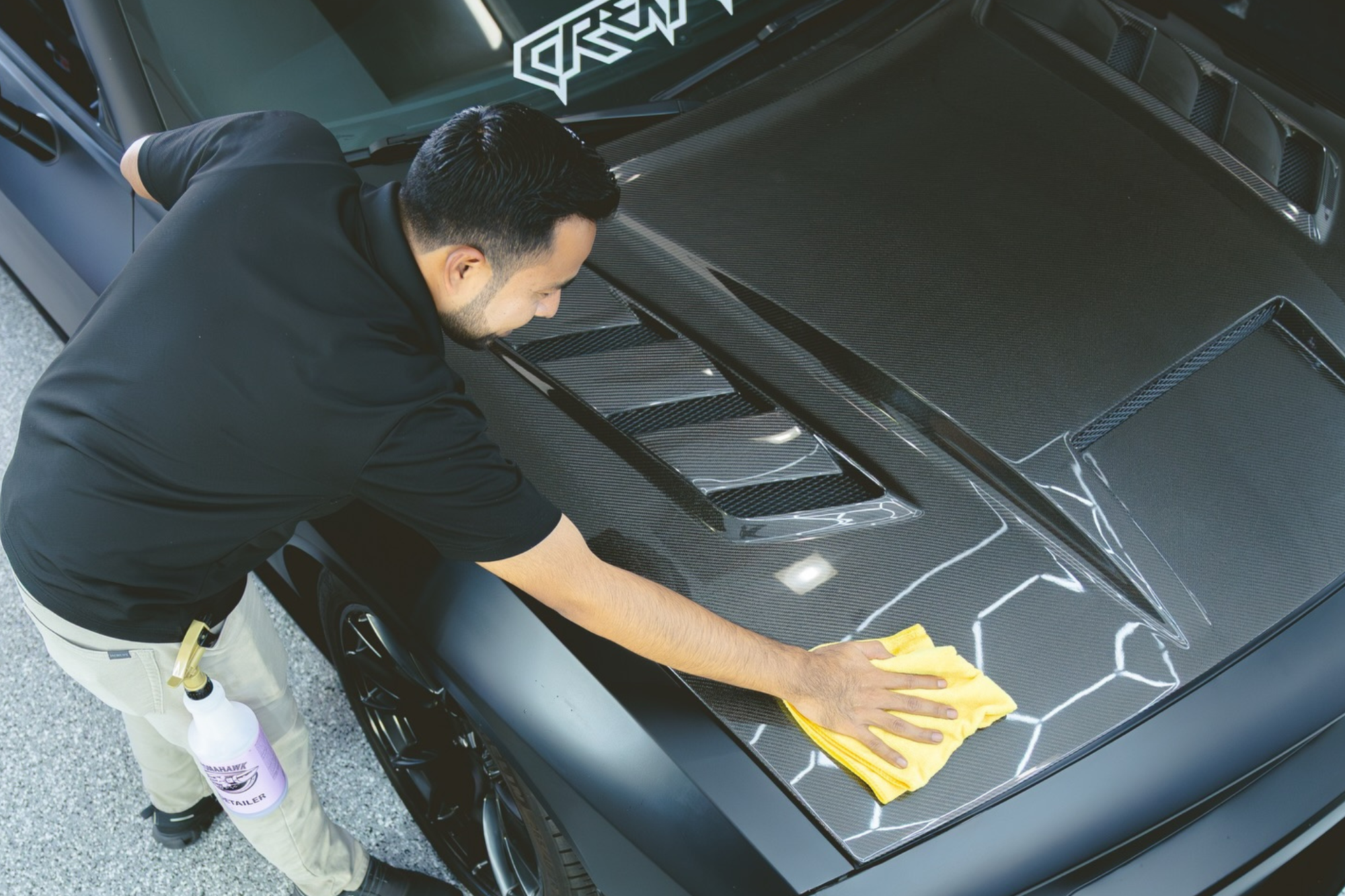
Once your vehicle has been professionally ceramic-coated, keeping that slick, water-repellent finish looking its best comes down to how you wash it. The right approach, using proper tools, gentle techniques, and coating-safe products, helps preserve that satisfying water beading and glossy shine. On the other hand, careless washing can introduce scratches, streaks, or even chemical damage, which can wear down the coating faster than it should. This guide walks you through washing your ceramic-coated car the right way, so it stays protected and looking great for the long haul.
Understanding Post-Ceramic Coating Care
Why Standard Washing Can Damage Ceramic Coatings
Ceramic coatings create a hydrophobic layer that repels water and reduces surface contaminants. However, not all washing methods are compatible with this protective layer. Abrasive detergents, high-pressure water, or contaminated tools can compromise the coating, leaving the vehicle vulnerable to swirl marks, scratches, or streaking.
Even vigorous handwashing can damage the coating. Circular scrubbing, for instance, may create micro-marring that reduces the effectiveness of water beading. During a recent audit for several vehicles in El Cajon, CA, detailers noticed that owners who used standard automatic car washes experienced early signs of coating wear. This highlights the importance of understanding the unique needs of a ceramic-coated surface.
Key Objectives After Coating
When washing a ceramic-coated vehicle, the main goals are:
- Preserve Hydrophobic Properties – Ensure that water continues to bead and slide off the surface effortlessly.
- Avoid Chemical Degradation – Protect the coating from harsh soaps, acidic cleaners, and chemical residues.
- Maintain Gloss and Smoothness – Keep the finish visually striking while preventing dulling or streaking.
Focusing on these objectives helps determine the right products, techniques, and washing frequency, making the coating last longer and function better.
Choosing the Right Wash Products
Safe vs Unsafe Cleaning Agents
Selecting the correct cleaning products is critical to prevent premature coating failure. The following table provides a clear guide:
| Product Type | Safe for Ceramic Coating | Risk Level |
| pH-neutral car shampoo | ✅ Low | Minimal |
| Strong degreasers or all-purpose cleaners | ❌ High | Can strip coating |
| Iron-removing wheel cleaners | ✅ Low-medium | Use diluted |
| Wax or polish products | ❌ High | Can alter the coating surface |
| Foam pre-wash | ✅ Low | Gentle on the hydrophobic layer |
Using gentle, pH-neutral shampoos ensures that the coating remains chemically stable. In El Cajon, CA, vehicle owners who follow professional advice on proper cleaning agents see a noticeable difference in how long the coating maintains its water-repelling properties.
Recommended Tools
The right tools can make a significant difference in protecting the coating:
- Two-Bucket Wash Method – One bucket contains clean soap, and the other is for rinsing the mitt. This prevents dirt from being reintroduced to the vehicle surface.
- Grit Guards – Placed in buckets to trap particles at the bottom, reducing the risk of scratches.
- High-Quality Microfiber Mitts and Towels – Soft, clean materials minimize friction and prevent fine scratches.
- Foam Cannon or Pre-Soak Method – Applies foam evenly across the surface, loosening dirt before any hand contact.
Selecting the right combination of tools ensures that the washing process is both safe and efficient. Using improper tools, such as sponges or low-quality cloths, can negate the benefits of a professional ceramic coating in El Cajon, CA.
Step-by-Step Washing Procedure
Pre-Rinse
Begin by removing loose dirt and debris with low-pressure water. This prevents particles from scratching the coating during washing. Avoid using very high-pressure nozzles that can force dirt into the surface, causing micro-scratches.
Foam Application
Apply a layer of pH-neutral foam to cover the entire vehicle. The foam helps lift contaminants off the surface, reducing the need for scrubbing. Let the foam sit briefly to loosen stubborn dirt, but avoid letting it dry on the surface, as dried soap can leave streaks.
Two-Bucket Wash
Use one bucket for soapy water and another for rinsing your mitt. Wash the vehicle in sections, using straight-line motions rather than circular rubbing. This minimizes swirl marks and ensures thorough cleaning. Rinse the mitt frequently in the rinse bucket to avoid dragging dirt across the paint.
Gentle Hand Wash
Focus on high-contact areas like wheels, lower panels, and door edges. Wash from the top down, as dirt accumulates at the bottom. Gentle pressure is sufficient; aggressive scrubbing is unnecessary and can damage the coating.
Final Rinse
Rinse thoroughly using low-pressure water to remove all soap residues. Unremoved detergents can reduce the coating’s hydrophobic effect. Make sure to rinse each section thoroughly before moving on.
Drying
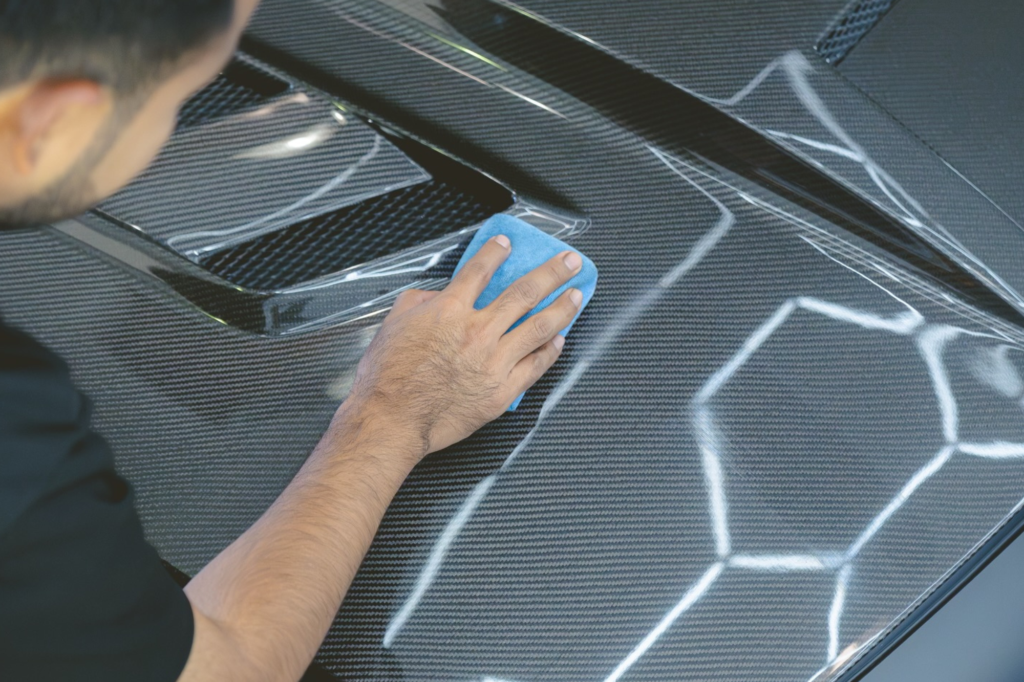
Pat the vehicle dry using high-quality microfiber towels. Avoid circular motions, which can leave swirl marks. Blot water instead of wiping aggressively. A clean, dry surface prevents water spots and maintains coating performance.
Optional Maintenance Spray
A ceramic maintenance spray can restore hydrophobicity and enhance water beading. Use it sparingly and follow the manufacturer’s directions. This step is particularly beneficial for vehicles in areas like El Cajon, CA, where dust and heat can accumulate quickly.
During a vehicle inspection in El Cajon, CA, owners using this step-by-step process maintained superior water beading compared to those using standard washes.
Common Misconception – You Can Use Any Car Wash After Ceramic Coating
Many vehicle owners assume any car wash is safe after ceramic coating. This is a myth. Automatic car washes with brushes or harsh chemicals can remove the protective layer faster than expected. Even some hand washes with aggressive soap can compromise the coating.
The reality is that only gentle, pH-neutral soaps and proper washing techniques maintain the coating’s water-repellent properties. Ignoring these precautions can result in visible reductions in water beading, streaking, and surface dulling. Vehicles with El Cajon, CA Ceramic Coating often show early signs of hydrophobic failure when standard automatic washes are used.
Applying This to Solve the Problem
Practical Tips for Long-Term Coating Protection
- Wash Regularly – Every 1–2 weeks to prevent contaminants from embedding.
- Avoid Automatic Car Washes – Brushes and chemicals accelerate coating wear.
- Use Ceramic-Safe Maintenance Sprays – Between washes to restore water beading and surface slickness.
- Inspect the Coating Periodically – Look for a reduction in water beading or streaking as early warning signs.
- Clean Tools Properly – Always rinse microfiber mitts and towels after use to remove trapped debris.
Decision Framework for Safe Washing
- Identify wash products that are gentle, pH-neutral, and low-abrasion.
- Rinse loose dirt with low-pressure water before washing.
- Use the two-bucket method with grit guards to prevent scratches.
- Dry carefully using microfiber towels and apply optional maintenance sprays.
Vehicles protected with Ceramic Coating in El Cajon greatly benefit from these methods, maintaining hydrophobicity, gloss, and surface smoothness over time. Following a consistent washing routine is essential to prevent premature failure and extend coating life.
Advanced Tips for Maintaining Hydrophobic Performance
- Detail Wheels Separately – Brake dust and grime can be more aggressive on coated surfaces. Use diluted wheel cleaners that are safe for coatings.
- Avoid Harsh Chemicals – Stay away from strong degreasers or acidic cleaners on coated panels.
- Monitor Weather Conditions – Extreme heat or dust storms can affect washing frequency.
- Use Clean Water Sources – Hard water or dirty water can leave mineral spots that compromise coating performance.
These small adjustments contribute significantly to the coating’s longevity and effectiveness, especially in regions like El Cajon, CA, where environmental conditions can vary.
In Summary
Washing a vehicle after professional ceramic coating requires careful selection of products, tools, and techniques. Using pH-neutral shampoos, soft microfiber wash media, and proper two-bucket methods helps prevent contamination and surface marring. Avoiding harsh detergents, abrasive brushes, and improper drying techniques preserves hydrophobic performance and keeps the finish looking pristine. Incorporating a structured wash routine, along with periodic maintenance sprays and visual inspections, helps extend durability and prevent early degradation. Vehicle owners in El Cajon, CA, who follow these practices and trust experienced providers like Zippy Cup Auto Detail, can maintain strong water beading, a slick surface feel, and a deep, consistent gloss, ultimately protecting the value of their investment.
Ready to keep your vehicle looking its best? Contact us today to schedule a maintenance wash or get expert guidance on protecting your coating.
People Also Ask
Q1: Can I use any microfiber towel after ceramic coating?
A1: Only high-quality, clean microfiber towels should be used. Dirty or low-quality towels can scratch the coating.
Q2: How often should I wash a ceramic-coated vehicle?
A2: Washing every 1–2 weeks is ideal to maintain hydrophobic properties.
Q3: Are automatic car washes safe for ceramic coatings?
A3: No. Automatic car washes with brushes or harsh chemicals can prematurely degrade the coating.
Q4: What type of shampoo is recommended for ceramic coatings?
A4: Use pH-neutral, low-foaming shampoos to avoid stripping the protective layer.
Q5: Can I restore water beading without a full wash?
A5: Yes. Ceramic-safe maintenance sprays restore hydrophobicity between washes.