
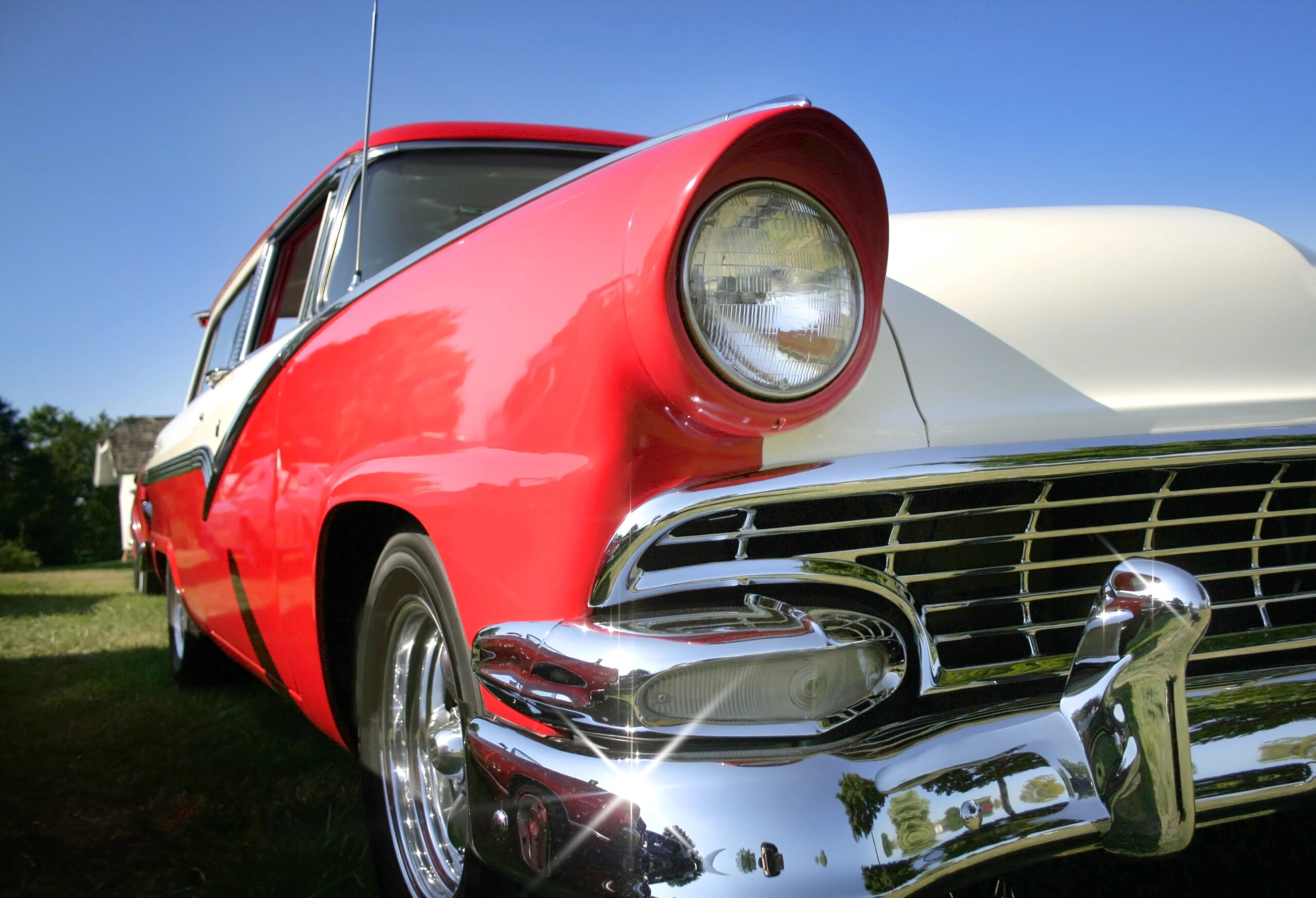
Classic cars aren’t just cars—each has a story, a unique style, and a loyal following here in San Diego. Many owners see their vintage rides as investments or treasured memories of the past. But keeping these cars in tip-top shape takes more than just the occasional wash. Detailing is one of the best ways to protect, preserve, and enjoy a classic car—especially in a place like San Diego, where the coastal climate and strong sun can quickly wear down even the finest restored vehicles.
Keeping a classic car looking great in San Diego’s climate needs special care. The sun can be strong, and coastal air can affect paint and chrome. This means regular, proper detailing is a must. A good detailing service understands the unique materials and finishes found in older cars. They know how to clean and protect them without causing any harm.
Let’s talk about some of the popular detailing services that classic car owners in San Diego often look for:
1. Gentle exterior hand wash and decontamination
For classic cars, a simple drive through an automatic car wash is usually not a good idea. These washes can be too harsh for older paint and delicate trim. A proper classic car wash starts with a gentle hand wash. Detailers use special pH-balanced soaps that clean without stripping away waxes or sealants.
After the wash, the paint needs decontamination. Over time, things like tar, road grime, and industrial fallout stick to the car’s surface. These tiny bits can make the paint feel rough and dull its shine. Decontamination often involves a clay bar treatment. A clay bar is a soft, sticky material that gently pulls these contaminants off the paint, leaving a smooth surface. This step is important because it prepares the paint for polishing and protection. It also helps any wax or sealant stick better and last longer.
2. Paint correction and polishing
Classic car paint, even if it’s been repainted, can show its age. Swirl marks, light scratches, and oxidation (a dull, chalky look) are common. Paint correction is a service that fixes these issues. It involves carefully polishing the paint surface to remove imperfections. This process is done with special machines and polishing compounds that gently take away a very thin layer of clear coat or paint.
For classic cars, this needs a detailer with a lot of experience. They need to know about different types of vintage paint and how much clear coat is left. The goal is to bring back the original depth and shine of the paint without damaging it. This can make a huge difference in how a classic car looks, often making it seem like new again. After a good paint correction, the car’s color will look richer, and reflections will be clearer.
3. Paint protection: Waxes, sealants, and ceramic coatings
After your classic car’s paint is clean, it needs protection. Waxes offer a classic shine for a few months, while synthetic sealants last longer, often six months or more. Both help guard against sun and dirt.
For long-lasting protection, ceramic coatings are a great choice. They create a strong, clear layer that can last for years, making the car much easier to clean and better protected from the elements.
4. Interior detailing and restoration
The inside of a classic car needs as much care as the outside. This service involves thoroughly cleaning all interior parts, including leather, fabrics, and carpets, using gentle methods to remove dirt and smells.
Detailers also carefully clean and protect dashboards and trim, like wood and chrome. The main goal is to preserve the car’s original look and feel without causing any damage to old or delicate materials.
5. Engine bay detailing
For many classic car owners, the engine bay is a showpiece. A clean engine bay not only looks great at car shows but also makes it easier to spot leaks or other issues. Engine bay detailing for a classic car is a careful process. It involves gentle cleaning to remove dirt, grease, and grime without using too much water or harsh chemicals that could damage old wiring or components. Detailers often use steam, special brushes, and mild cleaners. After cleaning, non-silicone dressings are applied to hoses and plastic parts to protect them and give them a clean, natural look.
6. Chrome polishing and trim restoration
Many classic cars feature a lot of chrome trim, bumpers, and brightwork. Over time, chrome can get dull, pitted, or stained. Professional detailers use special polishes to bring back the shine of chrome without scratching it. They also clean and restore other types of trim, like aluminum or stainless steel, making sure every metal piece looks its best. This attention to detail on the smaller parts makes a big impact on the overall appearance of the car.
7. Wheel and tire care
Wheels and tires are an important part of a classic car’s look. Old wheels can be tough to clean, especially if they have intricate designs or are made of delicate materials. Detailers use specific cleaners and brushes to get rid of brake dust and road grime from wheels, and then they protect them with sealants. Tires are cleaned and then treated with a dressing that keeps them from cracking and gives them a neat, dark finish.
FAQs
- How often should a classic car be detailed?
It depends on how much you drive the car and where it’s stored. For cars driven regularly, a full detail once or twice a year is good, with regular washes and interior cleanups in between. If the car is mostly stored or only driven for shows, a deep detail every 6-12 months might be enough to keep it in great shape.
- Is detailing different for a classic car compared to a new car?
Yes, it is very different. Classic cars often have older paint types, more delicate chrome, different interior materials like real leather or specific fabrics, and older electrical systems in the engine bay.
- Can detailing fix deep scratches or dents on my classic car?
Professional detailing, especially paint correction, can remove light scratches and swirl marks. However, it cannot fix deep scratches that go through the paint layers or repair dents. Those issues usually need body shop work. Detailing makes the surface look much better by correcting imperfections in the clear coat or top layer of paint.
- What is ceramic coating, and is it suitable for classic cars?
Ceramic coating is a liquid polymer that chemically bonds with the vehicle’s factory paint, creating a protective layer. It’s very durable and offers long-lasting protection against UV rays, dirt, and water spots. It can be suitable for classic cars, especially those that are driven often, as it provides a strong shield for the paint. It helps maintain the shine and makes cleaning easier. - How long does a full classic car detailing service usually take?
A comprehensive classic car detailing service can take anywhere from a few hours to several days, depending on the car’s condition, its size, and the services chosen. For example, a full paint correction can be a very time-consuming process that requires a lot of care and precision.Zippy Cup Auto Detail San Diego
596 N Mollison Ave #102, El Cajon, CA 92021
619-745-1536