Keeping a vehicle’s exterior in pristine condition is a priority for many car owners. Paint Protection Film (PPF) is one of the most effective solutions available to preserve the paintwork against daily wear and tear. In this comprehensive guide, we will explore the three primary types of Paint Protection Film and the key benefits that make it a worthwhile investment.
What is a Paint Protection Film?
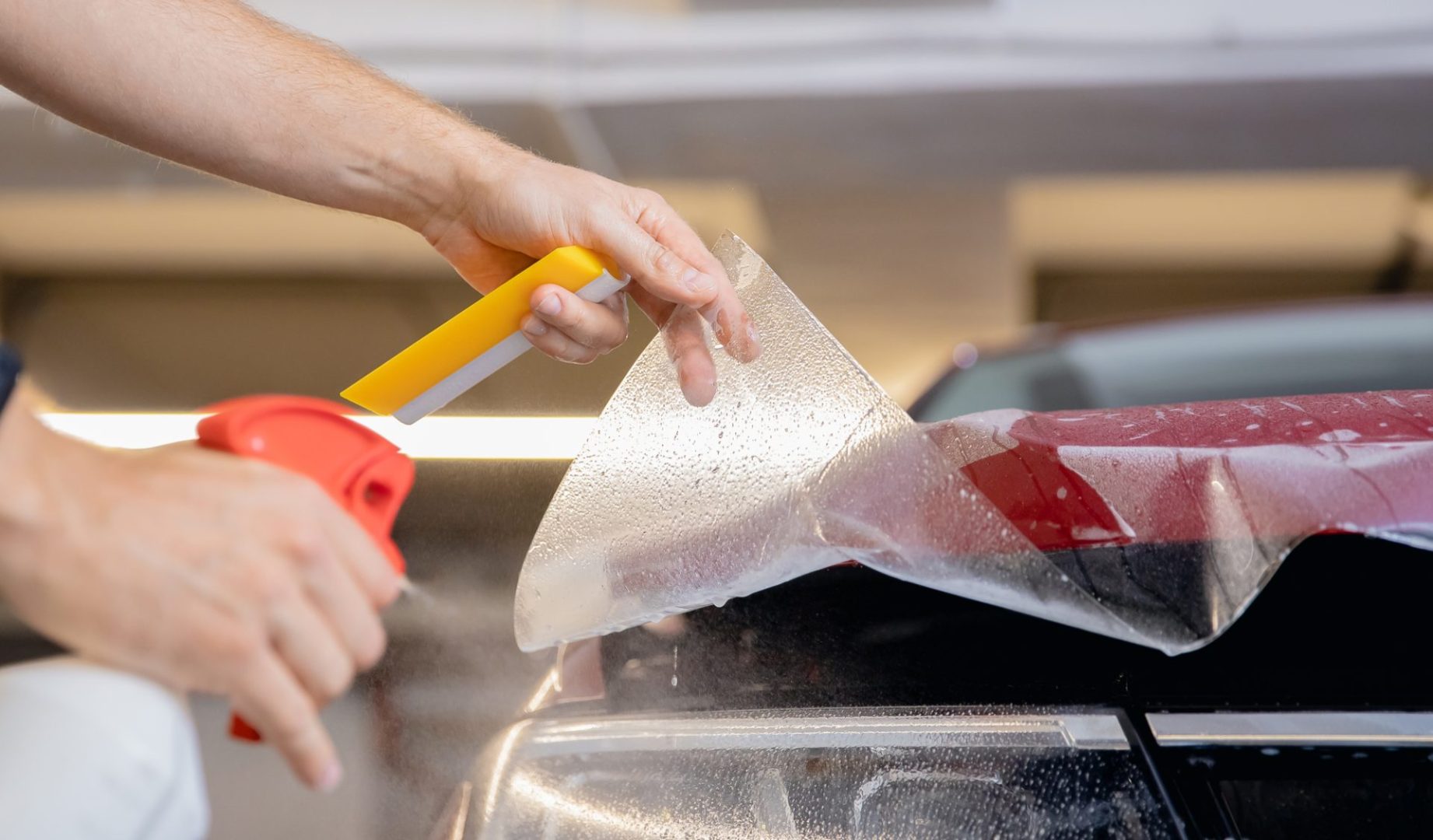
Paint Protection Film is a transparent, thermoplastic urethane layer applied to a vehicle’s exterior surfaces. It acts as a shield against physical and environmental damage, preventing issues such as rock chips, scratches, bird droppings, tree sap, and UV-induced fading. Modern PPF technology ensures that these films are nearly invisible and provide long-lasting protection without altering the vehicle’s original aesthetic.
Three main types of Paint Protection Films
1. Self-healing Paint Protection Film
Self-healing PPF is engineered with an elastomeric polymer layer that allows it to repair minor surface scratches and swirl marks when exposed to heat. This heat activation can occur naturally under the sun or with a heat gun. The film’s ability to return to its original form enhances the longevity of the vehicle’s paint and maintains a flawless appearance over time.
2. Glossy finish Paint Protection Film
For car owners who want to maintain or enhance the shine of their vehicle’s exterior, glossy PPF offers an added layer of protection while amplifying the depth and vibrancy of the paint. This type of PPF enhances the car’s aesthetic appeal by creating a high-gloss finish while serving as a protective barrier against contaminants and abrasions.
3. Matte finish Paint Protection Film
Matte PPF is an excellent choice for those who prefer a non-reflective, sleek appearance. It transforms a vehicle’s glossy paint into a satin or matte finish while delivering the same level of protection as its glossy counterpart. Matte PPF is particularly popular among luxury and performance vehicle owners who seek a distinct and sophisticated look.
The top benefits of Paint Protection Films
The appeal of paint protection films lies in their practical advantages. Here are the primary benefits that make them a worthwhile investment for vehicle owners:
1. Shields against rock chips and road debris
Driving on highways and city roads exposes vehicles to road debris, loose gravel, and other elements that can cause paint chips. PPF acts as a protective layer, absorbing impact and preventing these particles from damaging the vehicle’s surface.
2. Protection from environmental damage
Vehicles are constantly exposed to environmental hazards such as bird droppings, tree sap, acid rain, and insect residue. Without protection, these contaminants can etch into the paint, leading to permanent damage. PPF creates a resistant barrier, ensuring that these elements do not compromise the vehicle’s exterior.
3. UV and oxidation resistance
Continuous exposure to sunlight can cause a vehicle’s paint to fade over time. UV rays accelerate oxidation, leading to a dull and aged appearance. High-quality PPF contains UV inhibitors that help prevent fading, keeping the paint vibrant and well-preserved for years.
4. Reduces maintenance and enhances ease of cleaning
One of the advantages of PPF is that it makes vehicle maintenance easier. The film’s hydrophobic properties repel dirt, water, and grime, reducing the need for frequent washes. Additionally, contaminants are less likely to bond with the surface, making cleaning more efficient.
5. Preserves resale value
Maintaining a vehicle’s exterior in excellent condition significantly impacts its resale value. Potential buyers are more inclined to invest in a well-maintained car with minimal wear and tear. By preventing scratches, chips, and fading, PPF ensures that the vehicle remains in top condition, making it a more attractive option in the used car market.
6. Seamless and invisible protection
Modern PPF technology is designed to be nearly undetectable, ensuring that the film blends seamlessly with the car’s paintwork. Unlike traditional protective solutions such as bulky covers or vinyl wraps, PPF provides an invisible layer of protection without altering the vehicle’s aesthetics.
7. Customizable coverage for high-impact areas
PPF can be applied to specific areas of a vehicle that are more susceptible to damage, such as the front bumper, hood, side mirrors, and door edges. This allows car owners to choose the level of coverage based on their needs and driving habits.
How to choose the right Paint Protection Film
Selecting the best PPF for your vehicle requires careful consideration of several factors.
1. Durability and warranty
Different PPF brands offer varying levels of durability. High-quality films generally last between 5 to 10 years and come with manufacturer-backed warranties. Be sure to check the warranty terms and expected lifespan before making a choice.
2. Finish and aesthetic appeal
The desired look of your vehicle plays a role in selecting the right PPF. If you prefer a glossy finish that enhances the original paint, opt for a high-gloss film. Those seeking a unique appearance may find matte PPF to be the ideal option.
3. Professional installation vs. DIY kits
While DIY PPF kits are available, professional installation guarantees precision, longevity, and bubble-free application. Experienced installers ensure proper coverage, alignment, and edge sealing for maximum protection.
4. Budget considerations
PPF is an investment in your vehicle’s long-term condition. While premium brands may come at a higher price, they often provide superior protection and longevity. Assess your budget while considering the cost-benefit ratio of different film options.
Why is Paint Protection Film beneficial for car owners in San Diego County?
San Diego County region’s abundant sunshine increases the risk of paint oxidation and fading. Additionally, coastal areas expose vehicles to salty air, which can accelerate corrosion. PPF serves as an excellent protective measure against these local conditions, ensuring that vehicles maintain their appearance and structural integrity despite constant exposure to the elements.
Frequently Asked Questions
1. How long does Paint Protection Film last?
High-quality PPF can last anywhere from 5 to 10 years, depending on factors such as film quality, exposure to the elements, and maintenance routines.
2. Can Paint Protection Film be removed?
Yes, PPF can be safely removed by professionals without damaging the underlying paint. This allows for reapplication or updates as needed.
3. Is PPF noticeable on a vehicle?
Modern PPF is designed to be nearly invisible, ensuring that it does not alter the appearance of the car while still providing robust protection.
4. Does PPF require special maintenance?
While PPF simplifies cleaning and reduces maintenance, it is recommended to follow proper care guidelines, such as using PPF-safe cleaning products and avoiding harsh chemicals.
5. Can PPF be applied over existing scratches or chips?
For best results, PPF should be applied to a surface in good condition. If a vehicle has existing imperfections, they should be addressed before installation to ensure an optimal finish.
Zippy Cup Auto Detail San Diego
596 N Mollison Ave #102, El Cajon, CA 92021
619-745-1536