If you live in a coastal area like San Diego, your vehicle faces more than just sun exposure and occasional rain. The salt in the ocean air, though not always noticeable, can be one of the most damaging factors for cars parked or driven near the coastline. This issue often goes unnoticed until rust, corrosion, and performance issues begin to surface—and by then, the repairs can be expensive.
Why salt air is harmful to vehicles
Salt particles from the ocean can settle on your car’s surface, wheels, undercarriage, and even engine components. Over time, salt holds moisture, and this combination of salt and water becomes a strong corrosive agent.
Salt is hygroscopic, which means it absorbs water from the environment. When this salty moisture collects on your vehicle, it clings to the metal surfaces and begins to trigger oxidation. Once oxidation starts, it breaks down protective layers like paint, clear coat, and factory sealants, leaving the metal underneath vulnerable.
When salt settles into even the tiniest chips, cracks, or imperfections in your vehicle’s paint or metal parts, it starts a chemical reaction. This reaction doesn’t stop at the surface. It works deeper into the metal, expanding rust from the inside out, which can eventually lead to structural damage.
Common areas where salt damage occurs
- Undercarriage: One of the most vulnerable parts. Salt and moisture get splashed upward while driving and settle into joints, brake lines, suspension parts, and the metal frame. These parts are typically hidden and hard to inspect without a lift, which allows corrosion to advance undetected.
- Wheels and rims: Wheels are constantly exposed to the elements, especially while driving on coastal roads or near the beach. Salt deposits can corrode the finish, causing pitting, flaking, and eventual rust.
- Paint and clear coat: Paint isn’t just cosmetic—it’s protective. Minor scratches or chips can allow salt to infiltrate and begin corroding the metal underneath. If left unchecked, these spots grow quickly and can cost thousands to repair.
- Exhaust system: Exhaust pipes and mufflers are typically made of metal and positioned close to the road. Salt accumulates here and accelerates the breakdown of these parts, leading to noisy or failed systems.
- Engine bay: Salt particles can enter the engine bay through ventilation systems or while driving with windows or vents open. Corrosion on battery terminals, connectors, or engine mounts may impact performance and lead to costly repairs.
How quickly can salt air cause damage?
Salt damage isn’t always instant—but it is persistent. If your vehicle sits near the coast for long periods, especially if it’s not regularly cleaned or protected, corrosion can begin quietly. In some cases, you may start to see surface rust in as little as three to six months.
Rust often forms in places that aren’t immediately visible—like behind bumpers, inside wheel wells, and under the vehicle. By the time signs like bubbling paint or discoloration appear, the rust has already spread beneath the surface.
Signs your car might already be affected
Not sure if your car has salt damage? Here are some signs to watch for:
- Small bubbles under the paint, especially near seams or trim
- Orange or brown stains on metal parts, such as bolts, wheel wells, or brake calipers
- Grinding or squeaky brakes, which can result from rusted rotors or calipers
- Pitting or corrosion on rims and wheels
- Unusual smells from the exhaust or under the hood, which can indicate damage to key components
These symptoms should never be ignored. Once rust gets a foothold, it spreads quickly—especially in a humid, salty environment.
Practical ways to protect your car from salt air
1. Wash your vehicle regularly
Routine washing is your first and strongest defense. A full exterior and undercarriage wash every 7–10 days can help remove salt deposits before they can settle and cause corrosion. Pay special attention to wheel wells, the vehicle’s underside, and door jambs—these areas trap moisture and debris.
2. Apply protective coatings
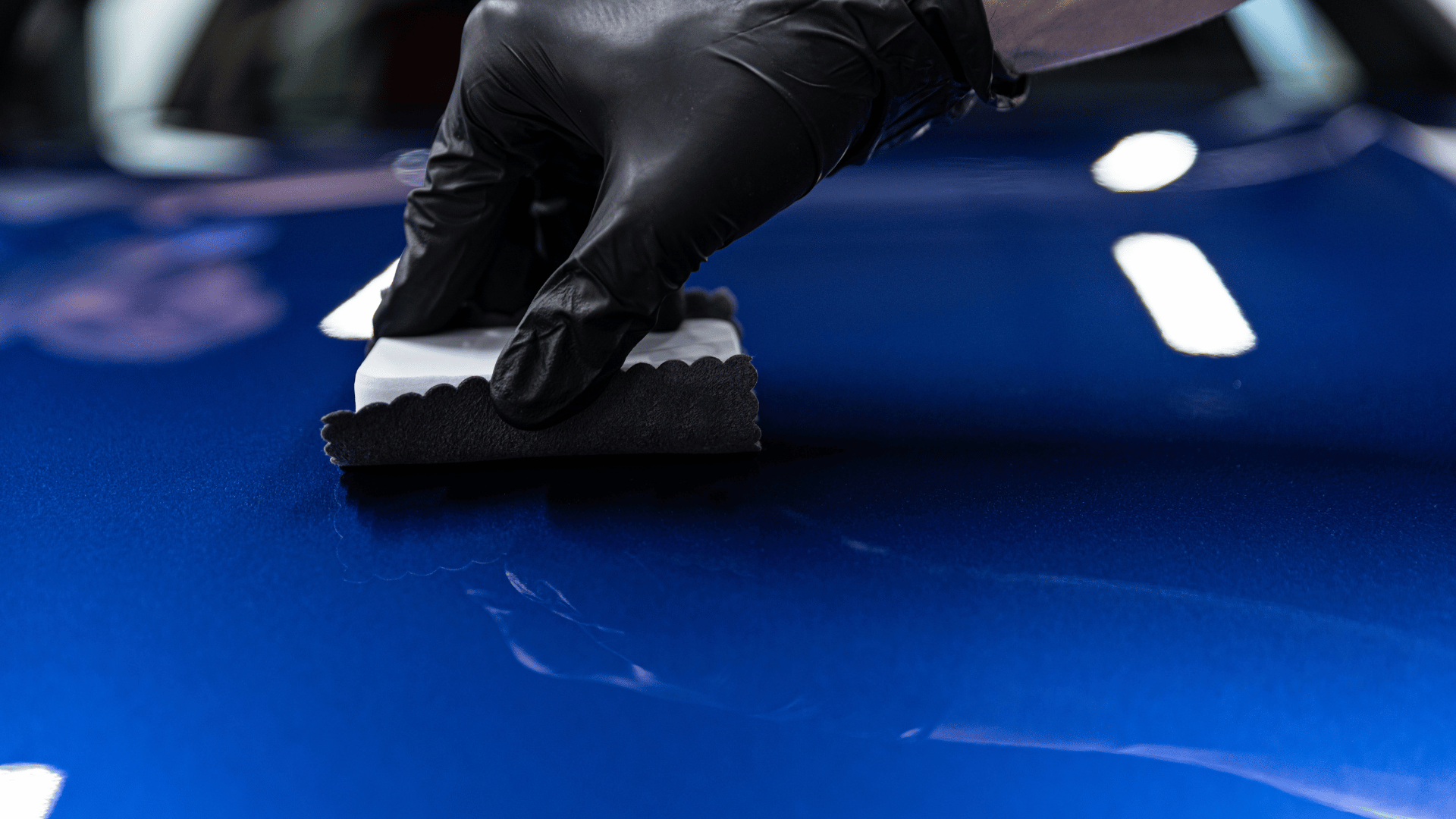
Ceramic coatings and polymer waxes help create a hydrophobic barrier between your paint and the elements. These protective layers make it harder for salt and moisture to bond to your car’s surface, and they make cleaning easier.
3. Use undercarriage sprays
There are specific sprays designed to protect the underside of vehicles. These sprays form a protective shield against salt, mud, and moisture. Applying an undercarriage treatment every season—or more often if you live close to the water—can significantly reduce rust risk.
4. Keep your car covered when not in use
Salt doesn’t just affect your vehicle while you’re driving. It settles on your car even while it’s parked. Using a weather-resistant car cover or parking in a garage reduces your vehicle’s exposure to airborne salt and moisture. A fitted cover with ventilation will help prevent mold and mildew.
5. Get routine detailing
Detailing isn’t just about looks—it’s a maintenance step that helps preserve the life of your vehicle. A professional detail includes cleaning, polishing, and adding protective treatments to every part of your car.
FAQs
- How often should I wash my vehicle to avoid salt-related damage?
Frequent washing, especially during humid or coastal conditions, helps prevent salt from settling and causing corrosion. Aim for weekly washes if you live near the sea.
- Can protective coatings reduce the impact of salt air?
Yes, protective coatings add a layer that repels moisture and slows down the corrosion process. They should be reapplied regularly for continued protection.
- What are some signs that salt air has already damaged my car?
Look for bubbling paint, orange discoloration on metal parts, and squeaky or weakened brakes. These are early indicators of rust or corrosion.
- Are all vehicle types equally affected by salt air?
Any vehicle with exposed metal parts is at risk, including electric, gas, and hybrid models. Areas like the undercarriage and wheels are most vulnerable.
- What kind of professional services help prevent salt damage?
Detailing services that include undercarriage rinses, ceramic coatings, and engine bay cleaning are effective in reducing the harmful effects of salt exposure.
Zippy Cup Auto Detail San Diego
596 N Mollison Ave #102, El Cajon, CA 92021
619-745-1536