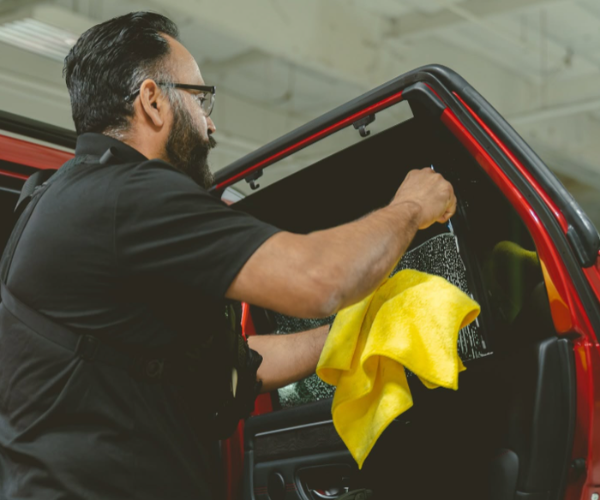
Window tint bubbles or peels over time when its adhesive deteriorates, the film is exposed to excessive heat, or the installation is performed incorrectly. Poor glass preparation, low-quality materials, and improper maintenance can also weaken the bond between the film and the glass. Identifying the cause helps determine whether the tint needs professional correction or complete replacement.
What Causes Window Tint to Bubble or Peel Over Time?
Window tinting in Chula Vista, CA uses a specialized adhesive to keep the film attached to automotive glass. When the adhesive loses its bonding strength, air pockets can form between the film and the window. These bubbles may spread, and weakened edges can begin to lift or peel.
Several factors contribute to this problem.
1. Adhesive Deterioration
Window tint adhesive gradually ages through exposure to sunlight, heat, and changing environmental conditions. As the adhesive breaks down, it may no longer hold the film securely against the glass.
Common signs include:
- Small bubbles that gradually increase in size.
- Edges lifting away from the window.
- Cloudy areas that remain after the curing period.
- Visible separation between the film and glass.
The speed of deterioration depends on film quality, installation conditions, and sunlight exposure.
2. Excessive Heat and Sunlight
Repeated exposure to high temperatures can accelerate adhesive deterioration, particularly when the film is already aging. Vehicles parked outdoors regularly experience temperature changes that affect their windows and tint materials.
Heat exposure may contribute to:
- Premature adhesive failure.
- Discoloration of lower-quality films.
- Loss of bonding around window edges.
- Changes in the film’s appearance.
Choosing appropriate window tint materials and ensuring proper installation can help reduce these risks.
3. Improper Installation
Installation mistakes are another common reason window tint develops bubbles or peels prematurely. Even quality film can fail when the glass is not properly cleaned or the application process is rushed.
Common mistakes include:
- Leaving dust, dirt, or residue on the glass.
- Trapping contaminants beneath the film.
- Applying the film incorrectly.
- Failing to secure the film edges properly.
- Disturbing the film before the adhesive has sufficiently cured.
Professional installation requires careful glass preparation, proper application techniques, and inspection before the vehicle is returned.
4. Low-Quality Window Tint Film
Different window tint products use different materials, adhesives, and manufacturing processes. Lower-quality films may be more susceptible to fading, discoloration, and premature adhesive failure.
The following table compares common film types:
| Film Type | Main Characteristics | Considerations |
| Dyed Film | Uses dye to reduce visible light | May fade over time |
| Carbon Film | Uses carbon-based particles | Offers color stability |
| Ceramic Film | Uses ceramic technology for heat and UV rejection | Performance depends on product quality |
| Metalized Film | Uses metallic particles to reflect solar energy | May interfere with electronic signals |
When comparing films, consider heat rejection, UV protection, visibility, manufacturer specifications, and warranty coverage rather than choosing based on price alone.
5. Improper Cleaning and Maintenance
Incorrect cleaning practices can damage window tint, particularly around its edges. Abrasive materials, excessive pressure, and unsuitable cleaning products may affect the film’s surface or bonding.
To maintain tinted windows:
- Use a soft microfiber cloth.
- Choose cleaning products approved for tinted glass.
- Avoid abrasive sponges and rough materials.
- Clean around film edges carefully.
- Follow the installer’s maintenance instructions.
These simple practices help prevent unnecessary wear and preserve the film’s appearance.
What Is the Difference Between Window Tint Bubbling, Peeling, and Discoloration?
These problems can look similar, but they often indicate different types of film deterioration.
| Problem | Common Cause | What It Indicates |
| Bubbling | Adhesive failure or trapped contaminants | Film separating from glass |
| Peeling | Weak adhesive or damaged edges | Loss of film adhesion |
| Purple discoloration | Dye degradation | Deteriorating film materials |
| Hazy appearance | Moisture, residue, or adhesive problems | Reduced film clarity |
| Cracking | Material aging | Possible need for replacement |
Can Bubbling Window Tint Be Repaired?
Minor edge lifting may sometimes be corrected, depending on the condition of the film. However, widespread bubbling caused by adhesive failure generally requires removal and replacement. Professional window tinting in Chula Vista can help vehicle owners find the appropriate solution.
Pressing bubbles against the glass is not a permanent solution because it does not restore deteriorated adhesive.
A professional inspection can establish whether the damage is limited to one section or affects the entire window.
How Long Does Window Tint Last Before Bubbling or Peeling?
Window tint lifespan depends on the film’s construction, installation quality, maintenance, and exposure to sunlight. Some professionally installed products can perform for many years, while inferior materials or poor application may result in premature deterioration.
Five factors influence how long window tint lasts:
- Film quality: Manufacturing standards and adhesive construction affect durability.
- Installation: Proper glass preparation helps establish a secure bond.
- Environmental exposure: Repeated sunlight and temperature changes can accelerate aging.
- Maintenance: Appropriate cleaning helps prevent unnecessary damage.
- Warranty: Coverage may protect against specified manufacturing or installation defects.
Drivers researching around Chula Vista, CA window tinting should compare product specifications and installation practices instead of relying solely on advertised lifespan claims.
Is It Normal for New Window Tints to Have Small Bubbles?
Small moisture pockets and slight haziness can occur shortly after installation. Technicians use an application solution to position the film, and some moisture may remain underneath while the adhesive cures.
This does not automatically mean the installation is defective.
Temporary Curing vs. Permanent Bubbling
| Temporary Curing Effects | Potential Film Problems |
| Small moisture pockets | Large, persistent air bubbles |
| Slight haziness | Increasing discoloration |
| Gradual improvement | Bubbles that continue spreading |
| Appearance improves during curing | Edges that repeatedly lift |
The curing period varies according to the film, weather, and installation conditions. Follow the installer’s instructions before cleaning the windows or rolling them down.
If bubbles remain unchanged, increase in size, or appear after the curing period, request a professional inspection.
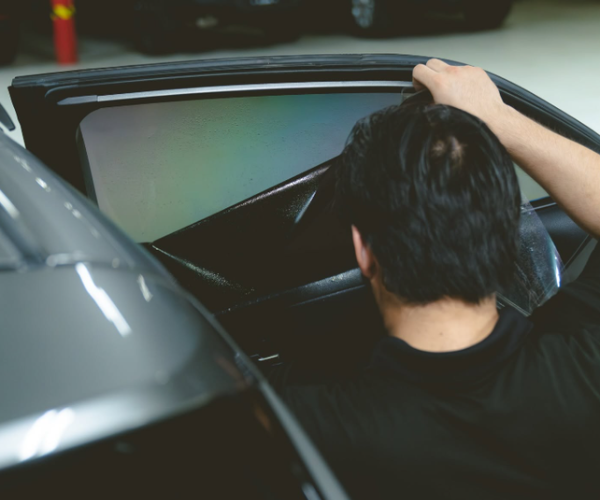
How Can You Prevent Window Tint From Bubbling or Peeling?
Preventing premature film failure starts with selecting suitable materials and working with experienced installers. Proper care after installation also helps preserve the film.
Follow these six recommendations:
- Choose quality films. Review manufacturer information, specifications, and available warranties.
- Use professional installation. Proper glass preparation and application reduce the risk of premature separation.
- Allow sufficient curing time. Avoid disturbing newly installed film until the recommended period has passed.
- Use tint-safe cleaners. Select products suitable for automotive window film.
- Avoid excessive pressure. Take care when cleaning around the film edges.
- Schedule inspections. Have persistent bubbling or peeling evaluated before the condition worsens.
Important Window Tint Specifications
Understanding these terms makes comparing window tint products easier.
- Visible Light Transmission (VLT): The percentage of visible light that passes through the glass and film. Lower percentages generally produce a darker appearance.
- Ultraviolet (UV) Rejection: The film’s ability to reduce ultraviolet radiation entering the vehicle.
- Infrared Rejection (IR): A measurement associated with the film’s ability to reject infrared energy.
- Total Solar Energy Rejected (TSER): The percentage of total solar energy rejected by the glazing system.
- Curing Period: The time needed for installation moisture to evaporate and the adhesive to establish its bond.
- Warranty Coverage: Protection against specified defects under the manufacturer’s or installer’s terms.
These specifications help vehicle owners compare products based on performance rather than appearance alone.
Why Does Professional Window Tint Installation Matter?
Professional installation involves more than applying film to automotive glass. It requires proper preparation, knowledge of different vehicle surfaces, and attention to the details that affect the finished result.
Experienced Technicians, Ready to Serve You
Our technicians have hands-on experience working with different vehicles, automotive finishes, and protection materials. This experience helps them understand the preparation and handling requirements of modern vehicles.
A Dedicated Team That Treats Your Car Like Its Own
Every vehicle receives individual attention from preparation through final inspection. Our technicians take the time to handle the vehicle carefully, complete the required work, and check the finished installation rather than rushing through the process.
What Happens During Professional Window Tint Replacement?
When existing tint has deteriorated, replacement generally involves these steps:
- Initial inspection: Evaluate the film and identify visible signs of failure.
- Film removal: Carefully remove the damaged material.
- Adhesive cleaning: Remove remaining adhesive and residue.
- Glass preparation: Clean the surface before applying new film.
- Film installation: Position and apply the selected tint.
- Final inspection: Check coverage, edges, and visible imperfections.
- Customer follow-up: Invite the customer back to review the installation after the vehicle has been on the road.
This process helps address existing film problems while giving the replacement installation the attention it requires.
People Also Ask: Window Tint Bubbling and Peeling
1. Why does window tint bubble after a few years?
The adhesive gradually deteriorates through exposure to sunlight, heat, and environmental conditions. Lower-quality materials and improper installation can accelerate the process.
2. Can bubbling window tint be fixed without replacing it?
Minor edge lifting may sometimes be corrected. Widespread bubbling caused by adhesive failure generally requires removing and replacing the affected film.
3. Is it normal for new window tints to have small bubbles?
Yes. Small moisture pockets can develop during installation and gradually disappear as the film cures. Persistent or spreading bubbles should be inspected.
4. Does excessive heat cause window tint to peel?
Repeated heat exposure can contribute to adhesive deterioration. When the adhesive loses its bonding strength, the film may separate from the glass.
5. Does ceramic window tint prevent bubbling?
No film technology completely eliminates the possibility of bubbling. Ceramic films offer heat and UV performance benefits, but adhesive quality and installation remain important.
Get Professional Window Tinting at Zippy Cup Auto Detail
Bubbling and peeling usually indicate adhesive deterioration, poor installation, material aging, or improper maintenance. Identifying the cause helps determine whether the existing film needs correction or replacement.
At Zippy Cup Auto Detail, we make vehicle protection straightforward. Our technicians explain available options, provide updates and photos while your vehicle is in the shop, and invite you back to inspect the installation after the work is complete.
Contact us to discuss your options and request a quote.